
Welcome, fashion enthusiasts and aspiring designers, to Harem’s Couture! Today, we embark on a captivating journey into the very essence of haute couture—the luxurious textiles that drape the figures of icons and transform mere garments into breathtaking works of art. We’ll delve into the properties, histories, and intricate details of these coveted fabrics, revealing how they contribute to the unparalleled elegance, structure, and movement that define high fashion.

- SILK: A Legacy of Opulence Woven in Thread
Our exploration begins with the undisputed queen of fabrics—silk. Its history stretches back millennia, originating in ancient China, where its production was a closely guarded secret for centuries. The delicate process of silk farming, involving the meticulous harvesting of silkworm cocoons and the painstaking extraction of the fine fibers, imbues silk with an inherent sense of luxury.
Unveiling Silk’s Allure: A Tapestry of Properties
- Unequalled Smoothness: Silk boasts an incredibly smooth texture, unmatched by any other natural fiber. This unparalleled characteristic arises from the triangular cross-section of the silk fiber, which reflects light differently, creating a luminous sheen. This sheen, often described as iridescent, adds a touch of understated glamour to any garment.
- Exceptional Strength: Despite its delicate appearance, silk possesses surprising strength. This inherent durability allows for the creation of garments that are both lightweight and long-lasting.
- Drape: The Art of Movement: Silk’s ability to drape beautifully is a key factor in its haute couture appeal. The fabric flows effortlessly, creating fluid silhouettes that flatter the figure and move with an almost liquid grace. This exceptional drape allows for the creation of intricate folds, pleats, and gathers, adding depth and visual interest to a garment.
- Versatility Across the Fashion Spectrum: While often associated with evening gowns and formal wear, silk’s versatility extends far beyond the red carpet. From the crisp structure of a tailored shirt to the delicate pleats of a summer dress, silk lends itself to a wide range of applications.

Beyond the Basics: Exploring Silk’s Varied Expressions
The world of silk is not a monolithic entity. Several distinct varieties, each boasting unique properties, cater to the diverse needs of couture designers. Here’s a closer look at some of the most coveted:
- Mulberry Silk: Considered the pinnacle of luxury silks, mulberry silk comes from the cocoons of silkworms fed exclusively on mulberry leaves. This meticulous diet results in exceptionally long and strong fibers, translating into a fabric renowned for its unmatched smoothness, lustrous sheen, and exceptional drape.
- Charmeuse: This luxurious fabric features a satin weave on one side and a crepe weave on the other. The result is a fabric with a beautiful, lustrous face and a slightly textured back, offering a stunning interplay of light and shadow. Charmeuse is often used for evening gowns and lingerie due to its fluid drape and elegant appearance.
- Organza: This lightweight, sheer fabric is perfect for creating voluminous skirts, layered gowns, and delicate overlays. While traditionally made from silk, modern organza can also be crafted from synthetic fibers. Its crispness allows for the creation of structured shapes and dramatic silhouettes.

- CHIFFON: A Gossamer Dream, Woven in Air
Next, we turn our attention to chiffon, a fabric that embodies a sense of ethereal beauty and weightless movement. This delicate, sheer fabric is often made from silk or synthetic fibers and is prized for its ability to create flowing, dream-like garments.
Unveiling Chiffon’s Delicate Charm: A Symphony of Properties
- Sheerness and Airiness: Chiffon is incredibly sheer and airy, creating a floating, almost weightless sensation when worn. This diaphanous quality allows light to pass through the fabric, adding a touch of romance and intrigue to any garment.
- Softness and Gauzy Texture: Chiffon possesses a soft, gauzy texture that is gentle against the skin. This subtle texture adds a touch of whimsy and romance to a garment, making it ideal for creating flowing silhouettes and adding a touch of volume.
- Versatility in Color and Design: Chiffon can be dyed in a vast array of vibrant colors, allowing designers to create garments that are both playful and sophisticated. However, chiffon’s natural, almost ethereal quality in its un-dyed state is equally captivating.
Chiffon’s Role in Haute Couture: A Canvas for Ethereal Beauty
Chiffon’s unique properties make it a beloved fabric in the world of haute couture. Here’s how it contributes to the creation of show-stopping garments:
- Flowing Skirts and Layered Gowns: The fabric’s weightlessness allows for the creation of voluminous skirts that cascade down the body in a mesmerizing display of movement. This is particularly evident in ball gowns, where layers of chiffon create a dramatic silhouette that embodies elegance and grandeur.
- Romantic Blouses and Delicate Overlays: Chiffon’s soft drape and sheerness make it perfect for crafting delicate blouses with flowing sleeves and romantic necklines. It also adds a touch of ethereal beauty when used as overlays on dresses and jackets, creating a sense of mystery and intrigue.
- Adding Dimension and Texture: Layering chiffon with other fabrics like satin or silk can add depth and textural contrast to a garment. This interplay of textures creates visual interest and elevates the overall design.

Beyond the Ball Gown: The Versatility of Chiffon
While haute couture is where chiffon truly shines, its applications extend beyond the runway. Here are some additional ways this fabric is used:
- Evening Dresses and Cocktail Dresses: Chiffon’s ability to create flowing silhouettes and its wide range of colors make it a popular choice for evening and cocktail dresses. It allows designers to create garments that are both elegant and playful, depending on the design and styling.
- Underwear and Lingerie: Chiffon’s delicate nature and soft texture make it a luxurious choice for lingerie. It adds a touch of romance and femininity to undergarments, while also offering a degree of sheerness that can be both playful and alluring.
- Scarves and Accessories: Chiffon’s lightweight and airy nature make it ideal for creating flowing scarves and accessories that add a touch of whimsy and elegance to any outfit.

- LACE: A Tapestry of Intricate Allure
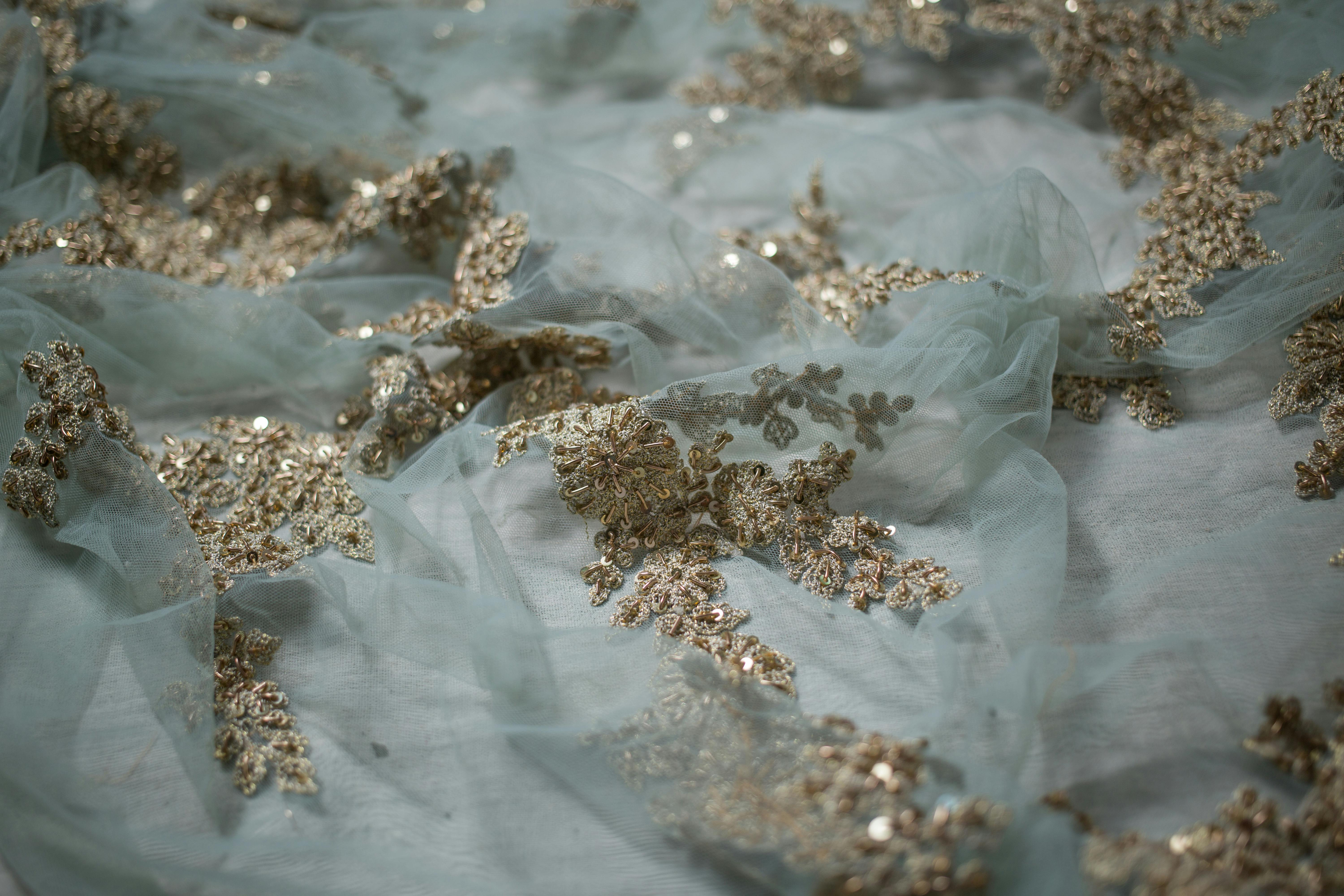
Lace, a fabric renowned for its intricate openwork designs, adds a touch of femininity and sophistication to any garment. This delicate material, crafted from various threads, including silk, cotton, or synthetic fibers, possesses a rich history dating back centuries.
Unveiling Lace’s Enchanting Properties:
- Intricate Patterns and Textures: Lace’s defining characteristic is its intricate patterns and textures. These designs, ranging from delicate floral motifs to geometric shapes and bold graphic elements, are created through various techniques such as weaving, embroidery, and bobbin lace making. The intricate details of lace add a touch of artistry and craftsmanship to any garment.
- Sheerness and Mystery: Lace’s sheer nature allows for the creation of garments that reveal hints of skin, adding a touch of mystery and intrigue. This quality can be used to create a sense of allure or to add a touch of romanticism to a design.
- Versatility in Design and Weight: Lace comes in a wide variety of designs and weights. Delicate Chantilly lace, for example, creates a light and ethereal effect, while heavier Alençon lace offers a more structured look. This versatility allows designers to create a wide range of garments, from romantic wedding gowns to edgy lingerie pieces.

Lace holds a special place in the world of haute couture. Its intricate details, delicate nature, and historical significance make it a fabric that embodies the artistry and craftsmanship that define this realm of fashion.

- Wedding Gowns: Lace is a quintessential wedding gown fabric. The delicate patterns and romantic air it evokes create a timeless elegance that is perfect for this momentous occasion. Designers use lace to create a variety of silhouettes, from flowing A-line gowns to more structured ball gowns.
- Evening Dresses and Cocktail Dresses: Lace adds a touch of sophistication and allure to evening dresses and cocktail dresses. Designers often use lace for overlays, creating a sense of peek-a-boo transparency, or for bodices, adding a touch of structured elegance.
- Lingerie and Undergarments: Lace is a popular choice for lingerie and undergarments, where its delicate nature and sheerness create a sense of romance and sensuality.
- SATIN: The Fabric of Opulence and Drama
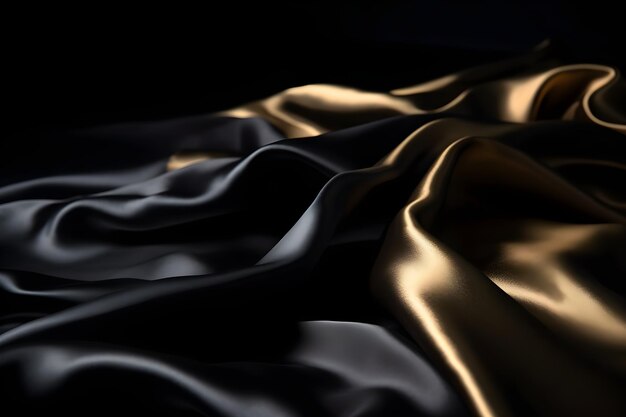
Satin, with its smooth, lustrous surface on one side and a duller back, is another cornerstone of haute couture. Its luxurious sheen and ability to drape beautifully make it a favorite among designers for creating garments that exude elegance and drama.
Unveiling Satin’s Allure: A Symphony of Properties
- Luminous Sheen: Satin’s defining characteristic is its stunning sheen. This captivating quality arises from the way the fabric is woven. Satin features a higher warp-to-weft ratio, meaning more warp threads are visible on the fabric’s surface. These closely packed threads create a smooth surface that reflects light beautifully, resulting in the fabric’s signature sheen.
- Fluid Drape: Satin possesses a remarkable ability to drape beautifully. This characteristic allows designers to create garments with flowing silhouettes that hug the curves of the body in a flattering manner. The drape also allows for the creation of dramatic folds and gathers, adding visual interest and depth to a garment.
- Versatility in Weight and Texture: Satin comes in a variety of weights and textures. Lighter weight satins, like charmeuse, offer a more delicate drape and are ideal for lingerie and flowing dresses. Heavier weight satins, like duchesse satin, provide more structure and are often used for formal gowns and tailored jackets.
Satin’s Stage in Haute Couture: A Spotlight on Drama and Elegance
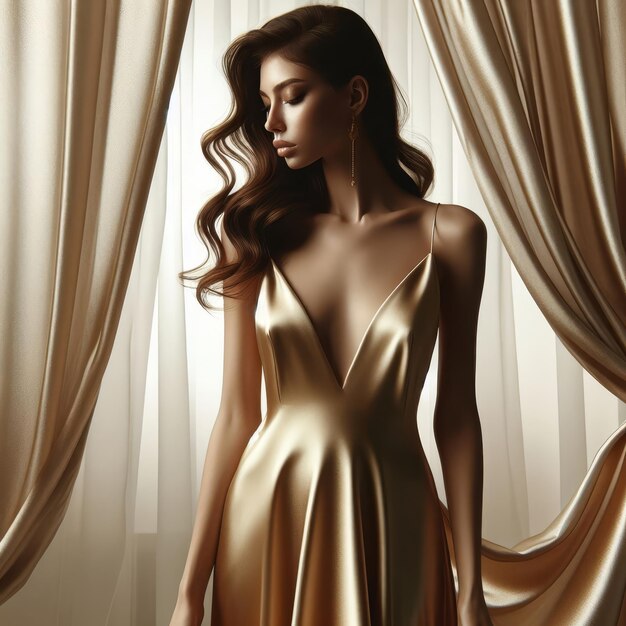
Satin’s luxurious qualities make it a perfect choice for creating show-stopping garments in the world of haute couture:
|
*Evening Gowns and Cocktail Dresses: Satin is a popular choice for evening gowns and cocktail dresses, where its sheen adds a touch of glamour and sophistication. Designers often use satin to create structured bodices, flowing skirts, or dramatic drapes, creating garments that command attention. |
|
*Lingerie and Undergarments: The smooth, luxurious feel of satin makes it a popular choice for lingerie and undergarments. Satin nightgowns and chemises exude a sense of opulence and sensuality. |
|
*Shoes and Accessories: Satin’s luxurious sheen and smooth texture make it a popular choice for shoes and accessories like evening bags and clutches. These satin elements add a touch of elegance and sophistication to any outfit. |
- VELVET: The Fabric of Royalty and Luxury
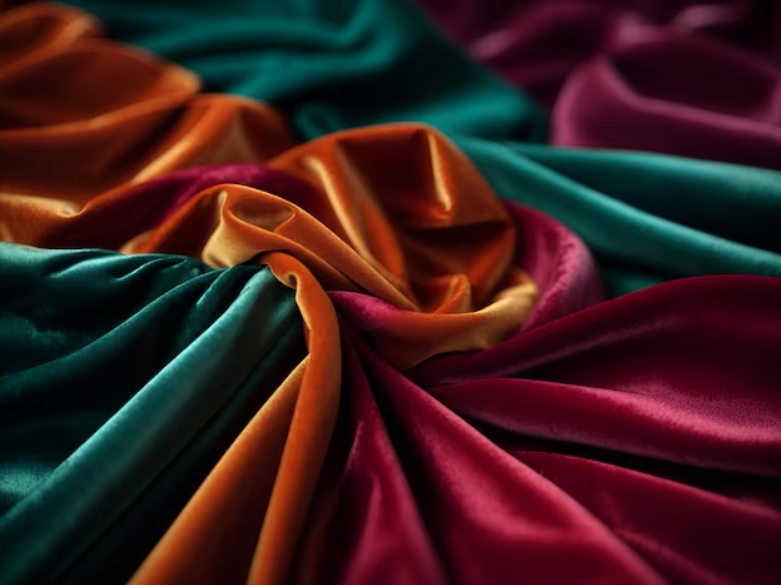
Velvet, a luxurious fabric with a soft, short pile that reflects light, has been associated with royalty and luxury for centuries. Its rich history and opulent feel make it a coveted material in the world of haute couture.
Unveiling Velvet’s Regal Charm: A Tapestry of Properties
- Soft Pile and Luxurious Feel: Velvet’s defining characteristic is its soft, short pile that creates a luxurious feel against the skin. This pile is created by weaving extra weft threads that are later cut, creating the distinctive velvety texture.
- Rich Depth of Color: Velvet has a unique ability to absorb light, resulting in a rich depth of color. This characteristic makes it perfect for creating garments that are both luxurious and visually striking.
- Structured Drape: While not as fluid as silk or chiffon, velvet possesses a structured drape that allows designers to create garments with clean lines and defined silhouettes.
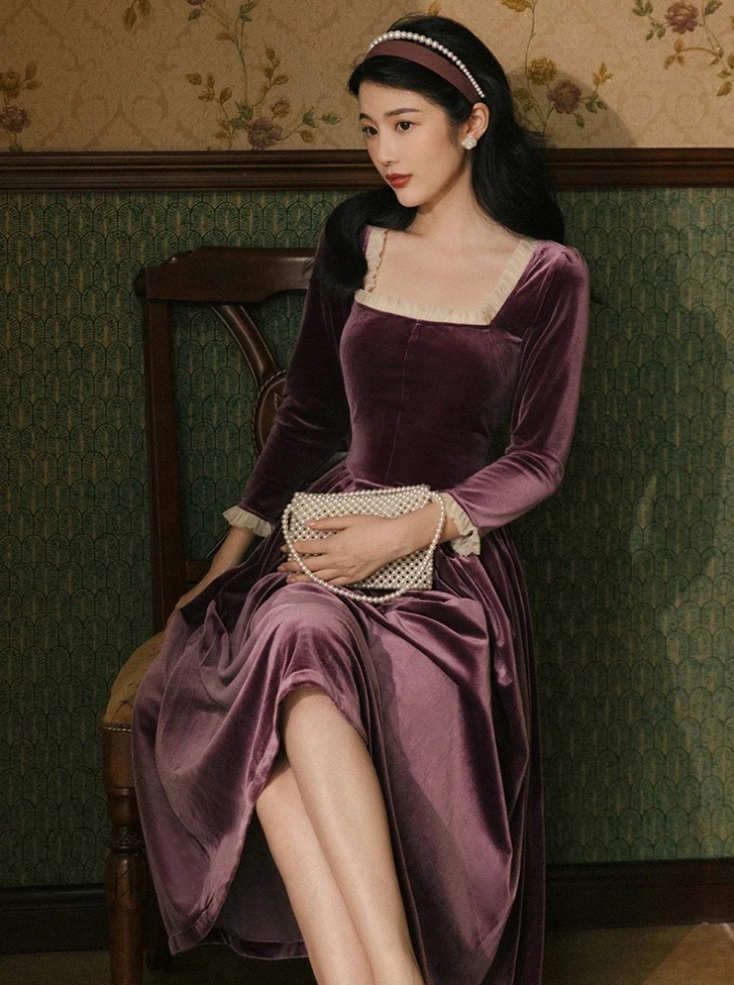
Velvet’s Reign in Haute Couture: A Touch of Opulence
Velvet’s luxurious qualities and rich history make it a perfect choice for adding a touch of opulence to haute couture garments:
|
*Evening Gowns and Cocktail Dresses: Velvet is a popular choice for evening gowns and cocktail dresses, where its rich color and luxurious feel create a sense of drama and sophistication. Designers often use velvet to create structured bodices, flowing skirts, or dramatic capes, adding a touch of regal elegance. |
|
*Suits and Jackets: Velvet can also be used to create luxurious suits and jackets. These garments exude a sense of power and sophistication, making them a popular choice for red carpet appearances or special occasions. |
|
*Accessories: Velvet’s rich texture and depth of color make it a popular choice for accessories like hats, gloves, and shoes. These elements add a touch of luxury and sophistication to any outfit. |

- BROCADE: A Fabric Woven with History and Opulence
Brocade, a luxurious fabric featuring raised patterns woven directly into the fabric, boasts a rich history dating back centuries. Its intricate designs and opulent feel make it a coveted material in haute couture.
Unveiling Brocade’s Enchanting Properties:
- Intricate Woven Designs: The defining characteristic of brocade is its intricate woven designs. These designs, ranging from floral motifs to geometric shapes and even figurative elements, are created by using extra weft threads that are woven to form raised patterns on the fabric’s surface.
- The Allure of Metallic Threads: Brocade often incorporates metallic threads like gold or silver, adding a touch of shimmer and grandeur to the fabric. This use of metallic threads further elevates the sense of opulence and luxury associated with brocade.
- Structured Drape: Similar to velvet, brocade possesses a structured drape due to the raised woven patterns. This characteristic allows designers to create garments with clean lines and defined silhouettes that hold their shape beautifully.

Meghan Markle wore a silver brocade dress with gold floral embroidery and a cream coat by Amanda Wakeley in 2019. (Dominic Lipinski/ WPA Pool/ Getty Images)
Brocade’s Stage in Haute Couture: A Celebration of Opulence and Heritage
Brocade’s rich history, intricate designs, and luxurious feel make it a perfect choice for creating garments steeped in tradition and grandeur:
|
*Formal Gowns and Evening Wear: Brocade is a popular choice for formal gowns and evening wear, where its intricate designs and opulent feel create a sense of awe and sophistication. Designers often use brocade to create structured bodices, full skirts, or dramatic capes, evoking a sense of historical grandeur. |
|
*Jackets and Waistcoats: Brocade can also be used to create luxurious jackets and waistcoats. These garments exude a sense of power and sophistication, making them a perfect choice for special occasions or a bold statement piece. |
|
*Accessories: Brocade’s rich texture, intricate designs, and metallic accents make it a popular choice for accessories like handbags and shoes. These elements elevate any outfit to a new level of sophistication and historical intrigue. |

- CASHMERE: The Embrace of Warmth and Unmatched Softness
Cashmere, a fabric synonymous with unparalleled softness and luxurious warmth, graces the bodies of celebrities and fashion icons alike. Derived from the undercoat of cashmere goats, this coveted material adds a touch of elegance and comfort to any garment.
Unveiling Cashmere’s Allure: A Symphony of Properties
- Unmatched Softness: Cashmere’s defining characteristic is its legendary softness. The fibers are incredibly fine and delicate, creating a feeling of pure luxury against the skin. This unmatched softness makes cashmere garments ideal for those seeking warmth without sacrificing comfort.

- Exceptional Warmth: Despite its fine fibers, cashmere boasts exceptional insulating properties. This quality arises from the hollow core of the cashmere fiber, which traps air and creates a natural barrier against the cold. Cashmere garments are perfect for adding a touch of warmth and luxury to winter wardrobes.
- Natural Drape: Cashmere possesses a natural drape that falls beautifully on the body. This characteristic allows designers to create garments with clean lines and soft silhouettes that flatter a variety of figures.
- Breathability: Despite its warmth, cashmere is a breathable fabric. This allows for better moisture management, keeping the wearer comfortable throughout the day.
Cashmere’s Role in Haute Couture: A Canvas for Comfort and Sophistication
Cashmere’s luxurious qualities and exceptional comfort make it a perfect choice for a variety of garments in haute couture:
|
*Sweaters and Knitwear: Cashmere sweaters are a staple in the world of luxury fashion. Their exceptional warmth and softness make them ideal for creating cozy yet stylish pieces. Designers use cashmere to create a variety of styles, from classic crewnecks to intricate cable knits. |
|
*Coats and Jackets: Cashmere coats and jackets offer unparalleled warmth and sophistication. The natural drape of the fabric allows for the creation of elegant silhouettes, while the luxurious feel elevates any outfit. |
|
*Scarves and Accessories: Cashmere scarves and accessories add a touch of warmth and luxury to any ensemble. These pieces come in a variety of colors and styles, allowing for versatile use throughout the colder months |
Beyond the Basics: Exploring Cashmere’s Varied Expressions
The world of cashmere extends beyond a single type. Here’s a closer look at some of the variations encountered in haute couture:
- Mongolian Cashmere: Considered the pinnacle of cashmere quality, Mongolian cashmere comes from goats raised in the harsh climate of Inner Mongolia. These goats produce exceptionally fine and warm fibers, resulting in a fabric renowned for its unmatched softness and warmth.
- Cashmere Blends: Cashmere is often blended with other fibers like wool or silk. These blends can offer a more affordable option while still maintaining some of the luxurious qualities of cashmere, such as softness and warmth.

THE CONCLUSION: A Symphony of Luxurious Fabrics
As we conclude this exploration of luxurious fabrics, we are left with an appreciation for the artistry and craftsmanship that go into creating these exquisite materials. From the luminous sheen of silk to the intricate designs of brocade, each fabric possesses unique properties that contribute to the world of haute couture. These coveted textiles are not merely materials; they are the foundation upon which designers build their masterpieces, transforming mere garments into breathtaking works of art that embody elegance, drama, and a touch of historical intrigue.
This is just the beginning of our exploration, fashion enthusiasts! The world of textiles is vast and ever-evolving. Stay tuned for future posts where we delve deeper into specific fabrics, explore the ethical considerations of luxury fashion, and unveil the stories behind the most iconic garments in fashion history.
What are your favorite luxurious fabrics? How do you think they contribute to the world of haute couture? Share your thoughts in the comments below!
 HAREM's Couture