
This fashion realm, known for its extravagance, meticulous craftsmanship, and boundary-pushing designs, has shaped the very essence of high fashion. Join us as we deconstruct the decadence of Haute Couture and delve into its rich history.
Haute couture, a term whispered with reverence in the most exclusive fashion circles, signifies more than just exorbitant price tags. It’s a meticulously crafted art form, a testament to human ingenuity and a wellspring of inspiration that has shaped the landscape of fashion for over a century. This esteemed realm beckons us to delve into its rich history, a narrative woven with the threads of visionary designers, groundbreaking innovations, and a clientele discerning in their taste.

The Genesis of Haute Couture: A Tailor’s Revolution
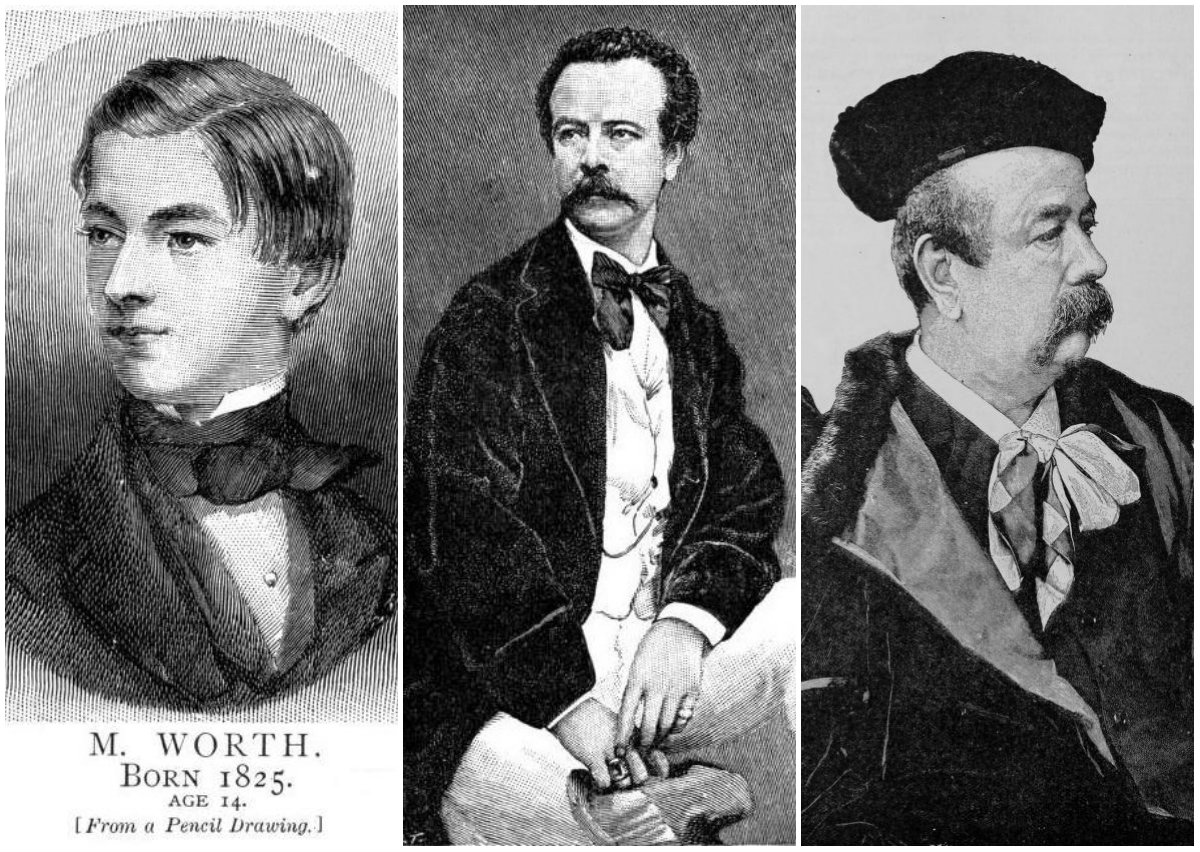
Haute Couture, a French term meaning “high sewing” or “high dressmaking,” traces its origins back to the mid-19th century. It all began with English couturier Charles Frederick Worth, often dubbed the “father of Haute Couture.” The year is 1858, and the fashion scene in Paris is undergoing a seismic shift. Enter Charles Frederick Worth, a visionary tailor whose ambition would forever alter the course of fashion history. Prior to Worth, the dressmaking process was a collaborative affair, with clients dictating the design and often providing their own fabrics. Worth, however, dared to break the mold. In 1858, Worth opened the first couture house in Paris, revolutionizing fashion by introducing the concept of designer labels and bespoke garments. He established the first true haute couture house, presenting his own collections featuring bespoke designs showcased on live models. This revolutionary approach, coupled with his audacious act of sewing his label onto garments – a symbol of both quality and brand recognition – cemented Worth’s reputation as a pioneer. He not only redefined the role of a tailor but also birthed the very concept of the fashion show as we know it today. These groundbreaking innovations laid the foundation for the exclusive world of haute couture, a world where meticulous craftsmanship and unparalleled creativity reigned supreme.
A Golden Age Blossoms: Legends Take Center Stage
The rise of haute couture coincided with the Industrial Revolution, allowing designers to experiment with new fabrics and techniques. The early 1900s marked the golden era of Haute Couture. The late 19th and early 20th centuries witnessed a flourishing of this newly established art form. Legendary designers emerged, each leaving an indelible mark on the world of haute couture. Iconic designers like Paul Poiret, Coco Chanel, and Jeanne Lanvin brought forth innovative designs that broke away from the restrictive clothing of the past. Paul Poiret, a champion of artistic expression, known for his vibrant colors and exotic influences, liberated women from corsets challenged the restrictive silhouettes of the era with his revolutionary “Empire line” dress. This daring design, characterized by a high waist and flowing skirt, offered women a newfound sense of freedom and mobility, a stark contrast to the corseted constraints of the past.
Coco Chanel, another iconoclast, introduced the concept of chic simplicity with her timeless creations and redefined luxury with her focus on comfort and clean lines. Her iconic little black dress, a testament to her belief in timeless elegance, transcended trends and democratized luxury by making it more accessible and wearable.
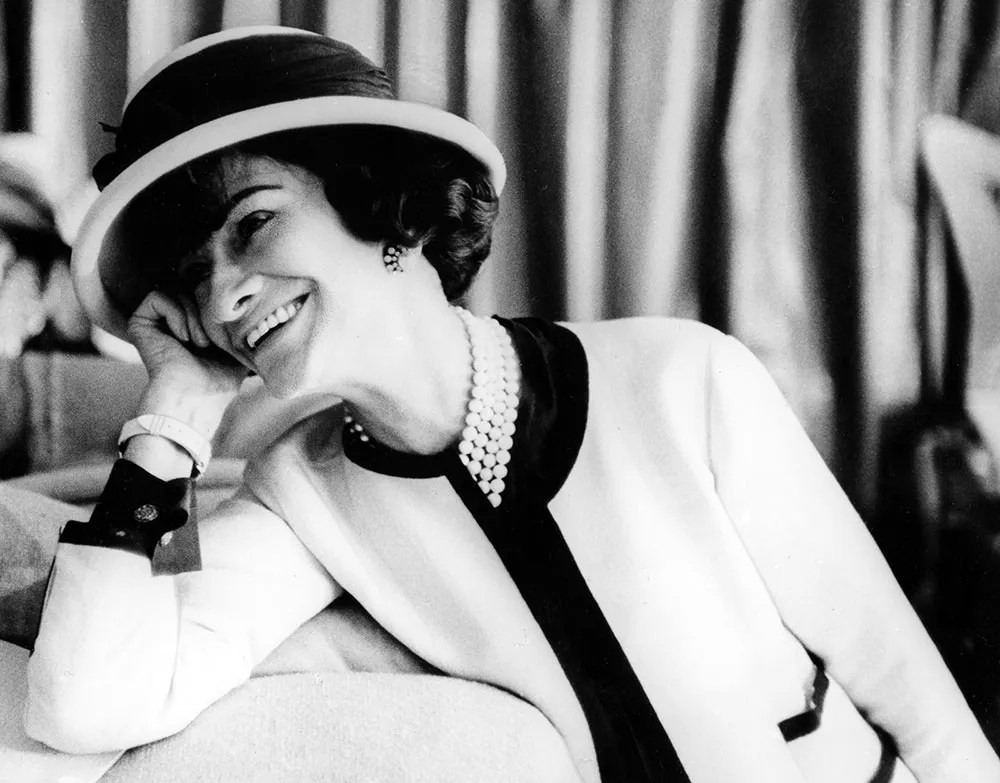
Gabrielle “Coco” Bonheur Chanel
Iconic Designers and Their Legacy
- Paul Poiret: Known for his theatrical designs and oriental influences, Poiret was a pioneer in freeing women from corsets, making way for more fluid silhouettes.
- Coco Chanel: Chanel’s legacy is built on simplicity and elegance. Her little black dress and Chanel suit are enduring symbols of timeless fashion.
- Jeanne Lanvin: Lanvin’s intricate detailing and luxurious fabrics set a new standard in women’s fashion, with her designs often inspired by her love for art and culture.
The Mid-Century Masters
The mid-20th century saw the rise of couturiers like Christian Dior, whose “New Look” in 1947 redefined post-war fashion with its full skirts and cinched waists. Yves Saint Laurent and Hubert de Givenchy also emerged as key figures, each bringing their unique vision to the world of Haute Couture.

The Dior Revolution
Christian Dior’s debut collection in 1947, famously dubbed the “New Look,” revolutionized women’s fashion. His designs emphasized an hourglass silhouette, with voluminous skirts and nipped-in waists, symbolizing a return to opulence and femininity after the austerity of World War II.
Beyond the Runway: The Unsung Heroes of Haute Couture
The brilliance of haute couture extends far beyond the visionary designers who helm the fashion houses. A dedicated army of artisans, the unsung heroes of this realm, meticulously translate these creative concepts into reality. Skilled tailors with nimble fingers and an eye for detail meticulously execute the designer’s vision, meticulously hand-stitching garments and employing a variety of specialized techniques, like draping and pleating, to achieve the desired silhouette and flawless finish. Embroiderers weave intricate patterns with unparalleled precision, while milliners craft exquisite hats that complete the opulent look. These artisans, the backbone of haute couture, dedicate years to honing their craft, ensuring that each piece is a testament to human artistry and a work of exceptional quality.
The Enduring Legacy: Haute Couture in the Modern Era
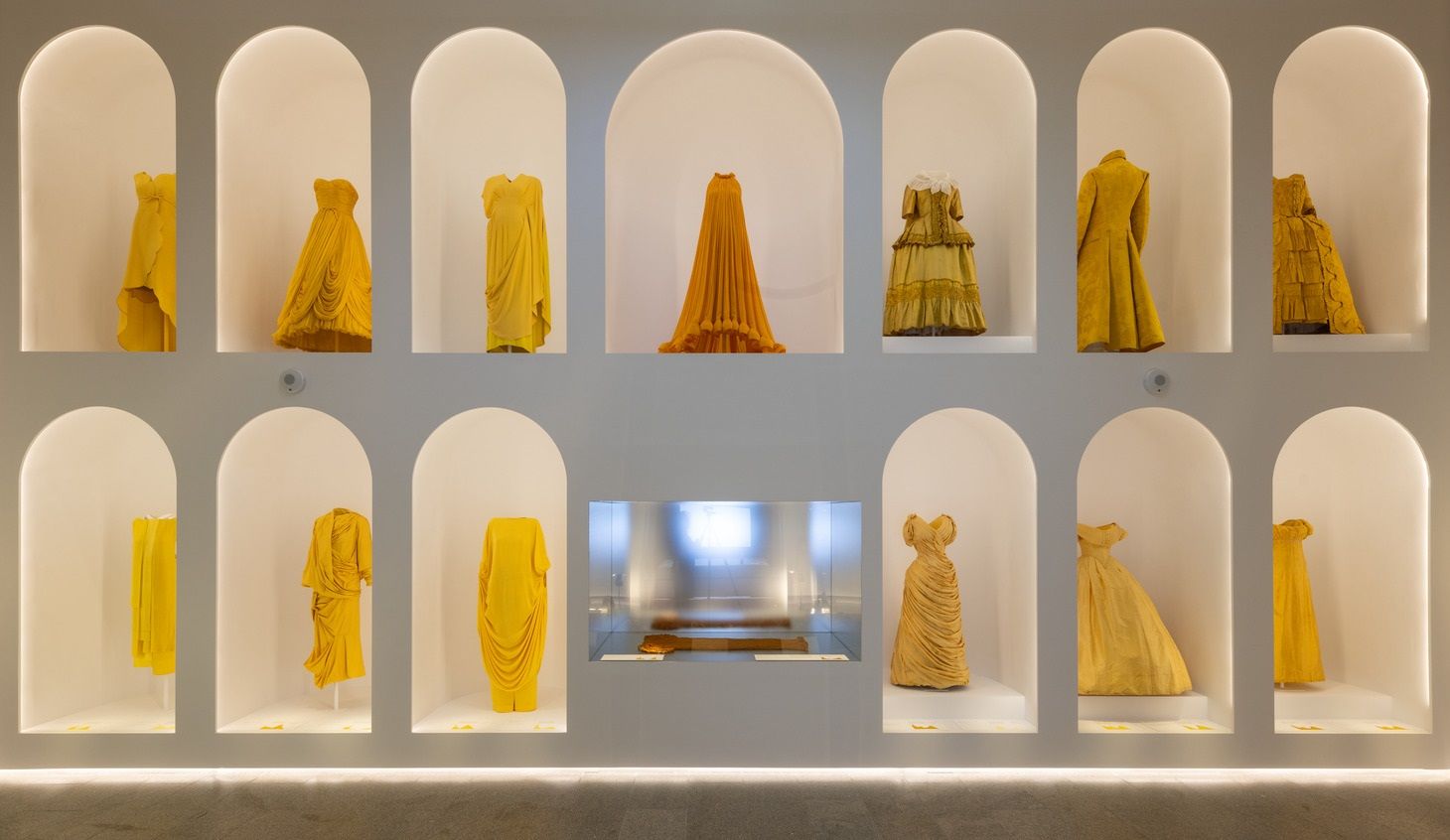
In the fast-paced world of 21st century fashion, where trends come and go at breakneck speed, some might question the continued relevance of haute couture. However, this esteemed domain persists as a vibrant wellspring of inspiration. The extravagant experimentation witnessed on the haute couture runway often trickles down to ready-to-wear collections, influencing mainstream fashion trends. Furthermore, haute couture serves as a vital custodian of exceptional craftsmanship, reminding us of the artistry and dedication that goes into creating garments that transcend mere utility. These exquisite pieces are not just worn, they are collected, cherished, and passed down as heirlooms, a testament to the enduring allure of this unique art form.
Modern Haute Couture: Innovation and Sustainability
In contemporary times, Haute Couture continues to evolve, embracing technological advancements and sustainability. Designers like Karl Lagerfeld for Chanel, John Galliano for Dior, and more recently, Maria Grazia Chiuri and Pierpaolo Piccioli have carried forward the legacy of innovation and creativity.
Technology Meets Tradition
Modern Haute Couture houses are integrating cutting-edge technology with traditional craftsmanship. 3D printing, sustainable fabrics, and digital design techniques are now part of the couture process, allowing designers to push the boundaries of creativity while addressing the environmental impact of fashion.

The Role of Haute Couture in Pop Culture
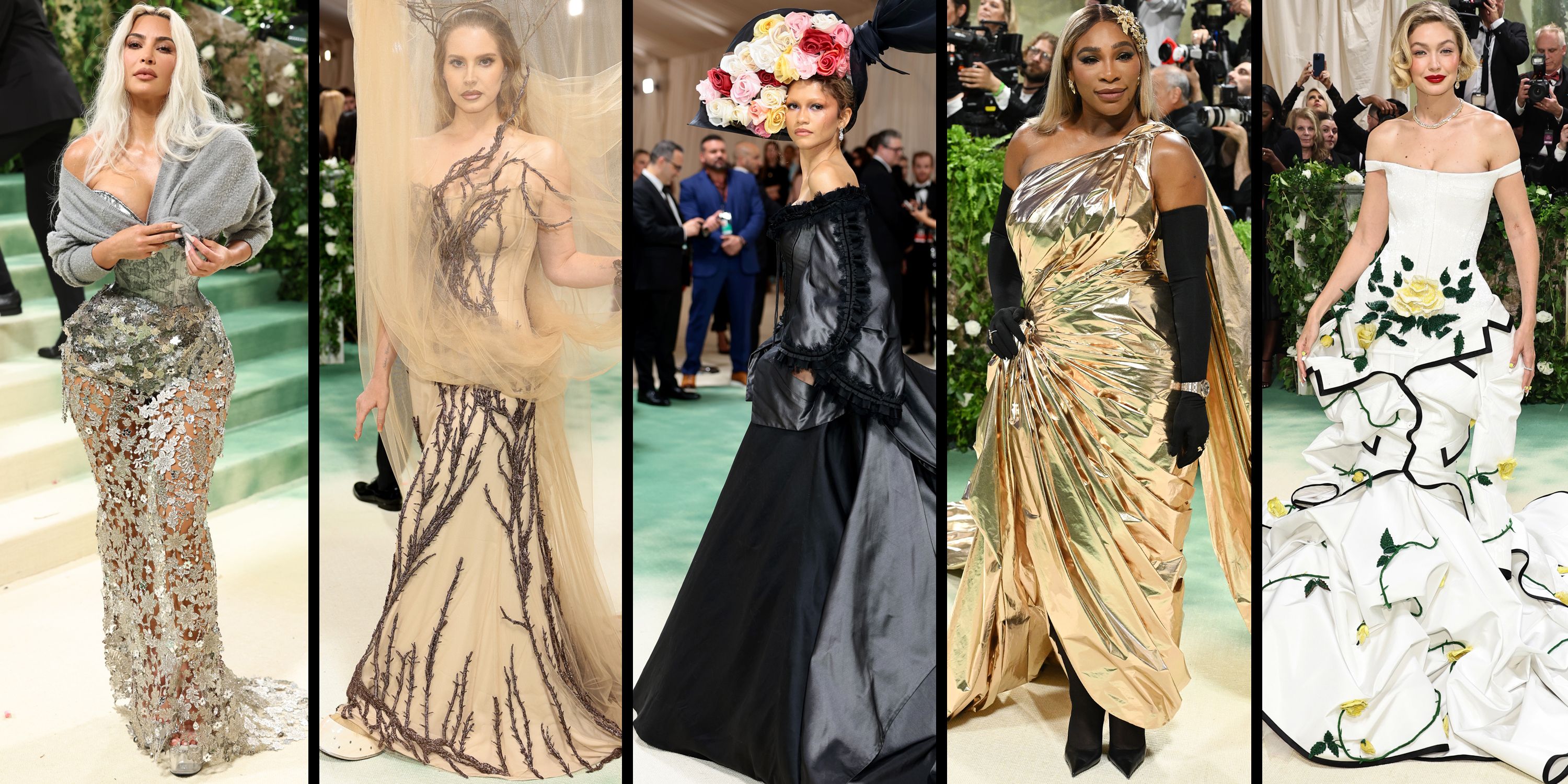
Haute Couture has always had a profound influence on pop culture, often seen on red carpets, fashion editorials, and in the wardrobes of celebrities. From Audrey Hepburn’s iconic Givenchy dress in “Breakfast at Tiffany’s” to Blake Lively’s jaw-dropping Met Gala Versace, Haute Couture remains at the forefront of fashion statements.

Celebrities and Couture
Celebrities play a significant role in the Haute Couture narrative, often serving as muses for designers. Their appearances in bespoke creations bring Haute Couture to the masses, highlighting the artistry and exclusivity of these one-of-a-kind pieces.
A Continuing Conversation: The Future of Haute Couture
As we look to the future, Haute Couture will undoubtedly continue to evolve, reflecting changes in society, technology, and sustainability. With a rich heritage to draw from and an innovative spirit, the world of Haute Couture will keep dazzling and inspiring for generations to come.
As we stand at the crossroads of history, the future of haute couture remains an intriguing question. Will it continue to cater to a select clientele, or will it find new avenues to engage with a wider audience? Perhaps technology will play a role, with advancements in 3D printing and digital design offering innovative ways to create and showcase haute couture pieces. One thing remains certain: haute couture will continue to evolve, pushing boundaries, fostering innovation, and inspiring the future of fashion.
Embracing Diversity and Inclusivity
The future of Haute Couture is also about embracing diversity and inclusivity. Designers are increasingly showcasing a wider range of body types, ethnicities, and gender expressions, making Haute Couture more accessible and representative of the global community.
Evolution and Milestones
Here are some key moments in the history of haute couture:
- 1868: Le Chambre Syndicale de la Haute Couturewas established as the safeguard of high-fashion. Designers had to earn the right to label themselves a couture house according to specific specifications.
- 1908: The phrase “haute couture”was used for the first time.
- 1945: New specifications were established by Le Chambre Syndicale de la Haute Couture:
- Designs must be made-to-orderfor private clients, with one or more fittings.
- Each atelier must have at least 20 members of staff.
- Each season, the couture house must present a collection of at least 35 runswith both daytime and evening wear to the Paris press.
- 1947: France’s fashion industry was successfully revived from wartime austerity with Christian Dior’s ‘New Look’ collection. This collection featured a new-found glamour with tight waists, stiff petticoats, and billowing skirts.
- 1966: Yves Saint Laurentlaunched Saint Laurent Rive Gauche, the first freestanding couture boutique. Other designers like Pierre Cardin, Andre Courreges, Ted Lapidus, and Emanuel Ungaro followed suit by opening their own stores.
- 1970: The number of couture houses dropped significantly, attributed to strict rules from Le Chambre Syndicale de La Haute Couture. Mass-production became popular, and couture clientele diminished.
- 2004: Versacetemporarily stopped holding shows due to the recession.
- 2013: Rad Houranidebuted the first-ever unisex couture collection.
- 2014: Christian Diorbrought the first haute couture show to Shanghai, and Ralph & Russo joined as the first British brand in over 100 years of Couture Fashion Week.
CONCLUSION
Haute Couture is more than just fashion; it’s an art form that embodies the pinnacle of luxury, creativity, and craftsmanship. From its historical roots to its modern-day innovations, Haute Couture continues to captivate and inspire. By understanding the past and present of Haute Couture, we can appreciate the intricate artistry and visionary designs that define this exclusive fashion domain. Whether you’re a fashion aficionado or simply curious about the world of luxury dresses and celebrity styles, Harem’s Couture is your go-to source for all things haute couture.
We invite you, our esteemed readers, to join the conversation. What iconic couture piece continues to captivate you? In your vision, what lies ahead for the future of haute couture? Share your thoughts in the comments below, and embark on this sartorial journey with Harem’s Couture as we delve deeper into the captivating world of this exquisite art form.
Stay tuned to Harem’s Couture for more insights into the dazzling world of high fashion, celebrity styles, and luxury trends.
SEO Keywords:
- Haute Couture history
- High fashion
- Luxury dresses
- Iconic designers
- Celebrity styles
- Sustainable fashion
- Fashion innovation
- Haute Couture origins
- Dior New Look
- Chanel legacy
Stay fashionable and keep exploring the world of high fashion with Harem’s Couture!
Feel free to reach out for any specific topics or questions you’d like us to cover in future blog posts. Your feedback is always welcome!
 HAREM's Couture