+

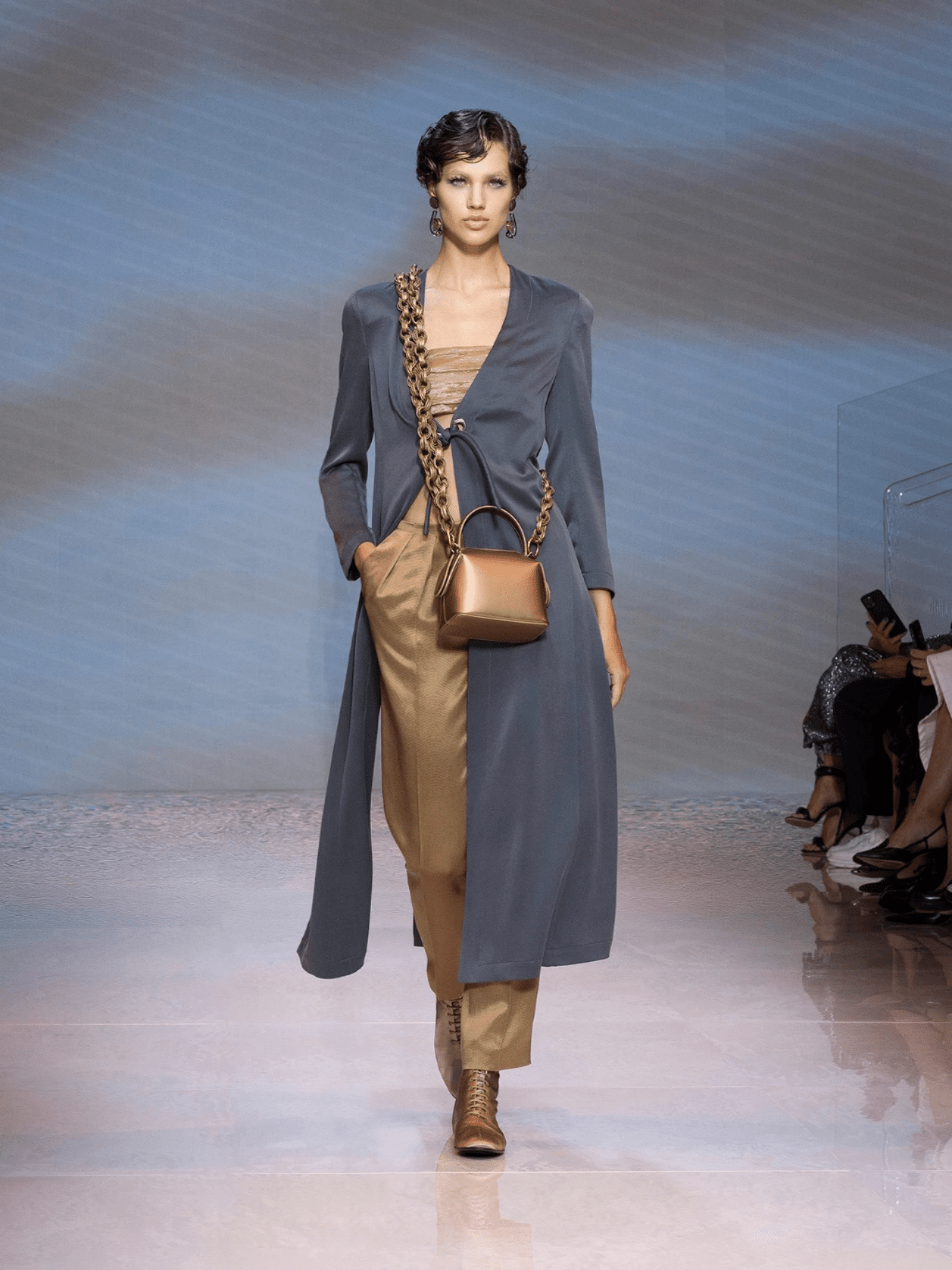
Giorgio Armani Spring Summer 2024 Collection

A Dance of Moonlit Elegance

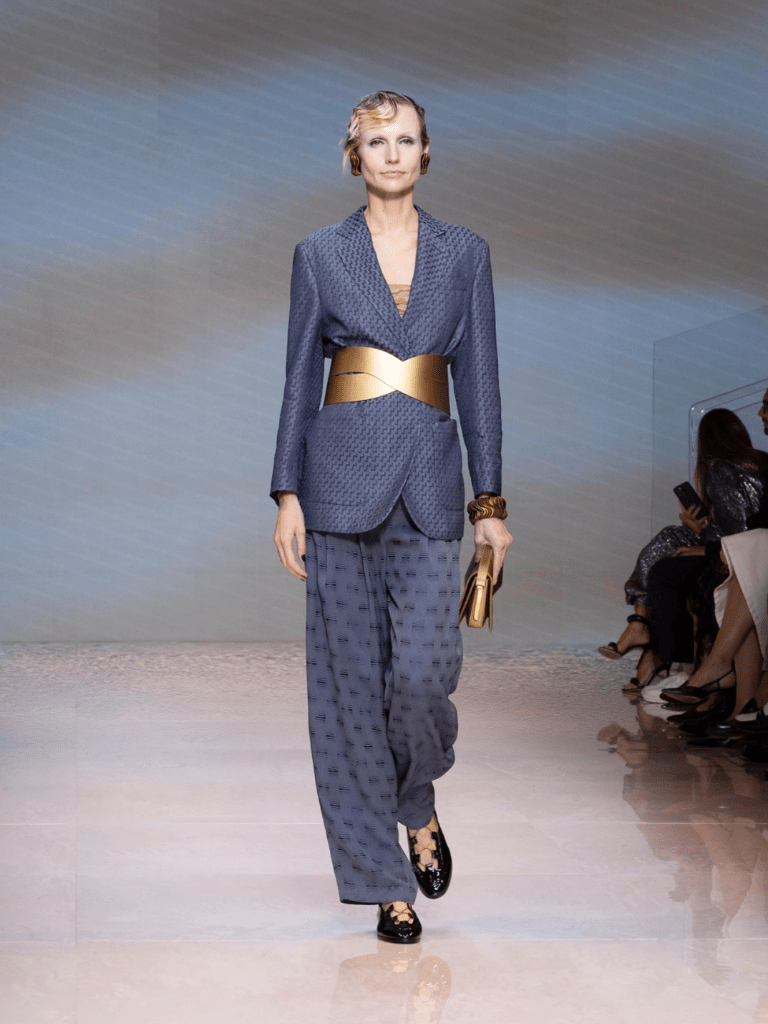
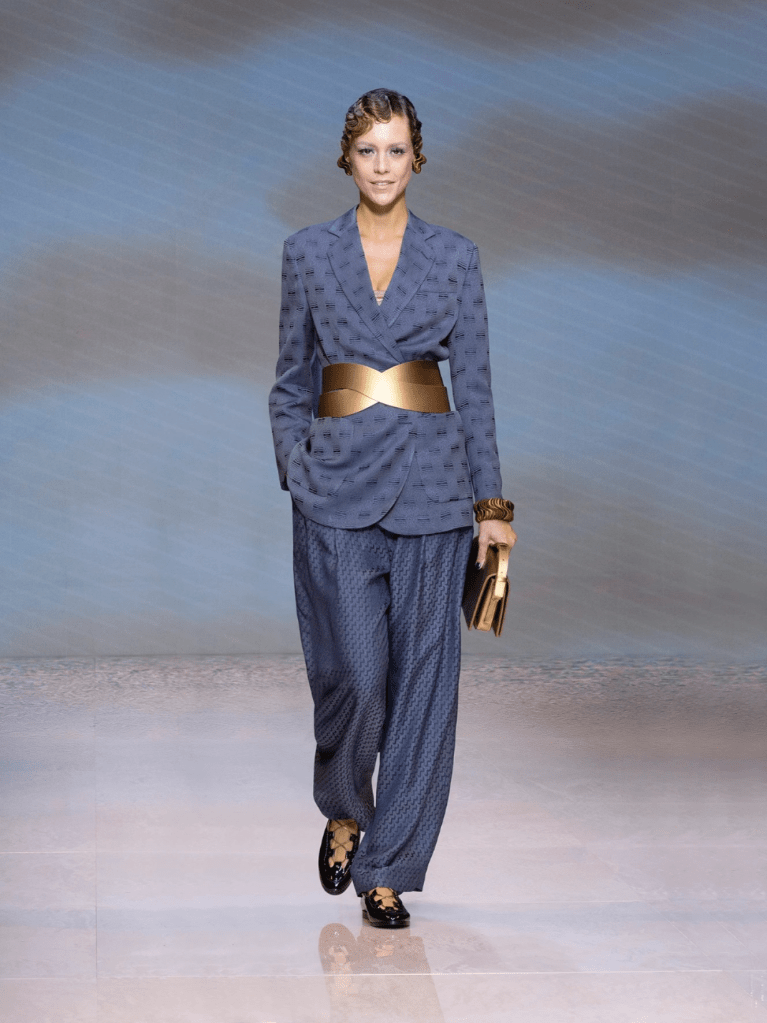
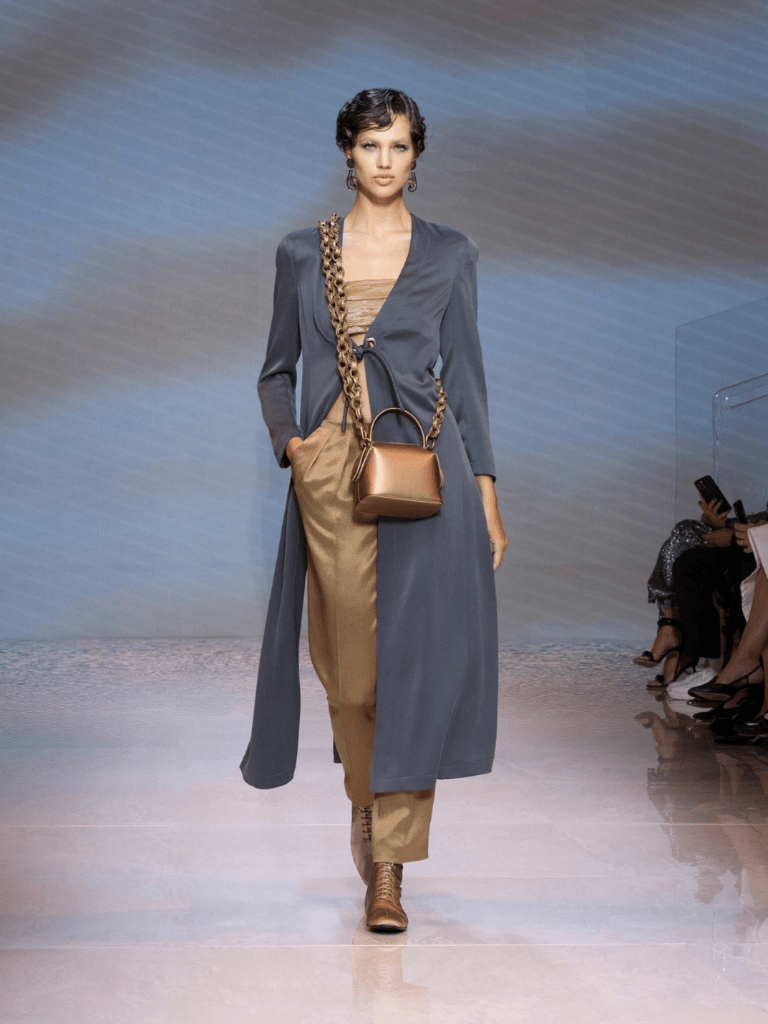
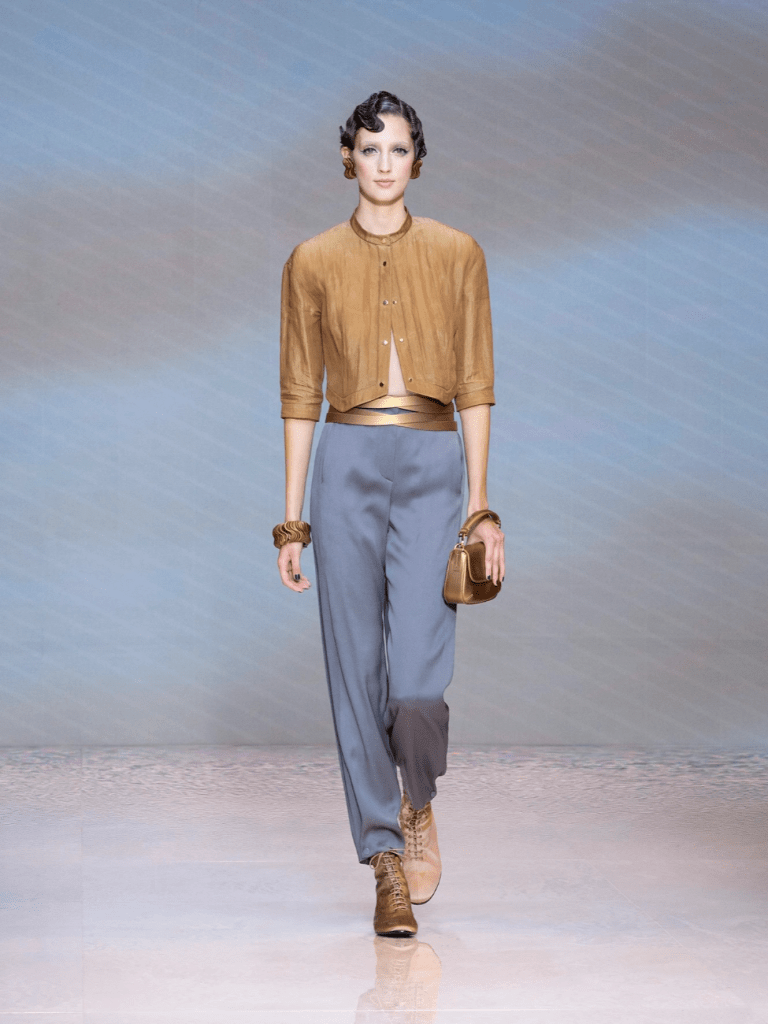
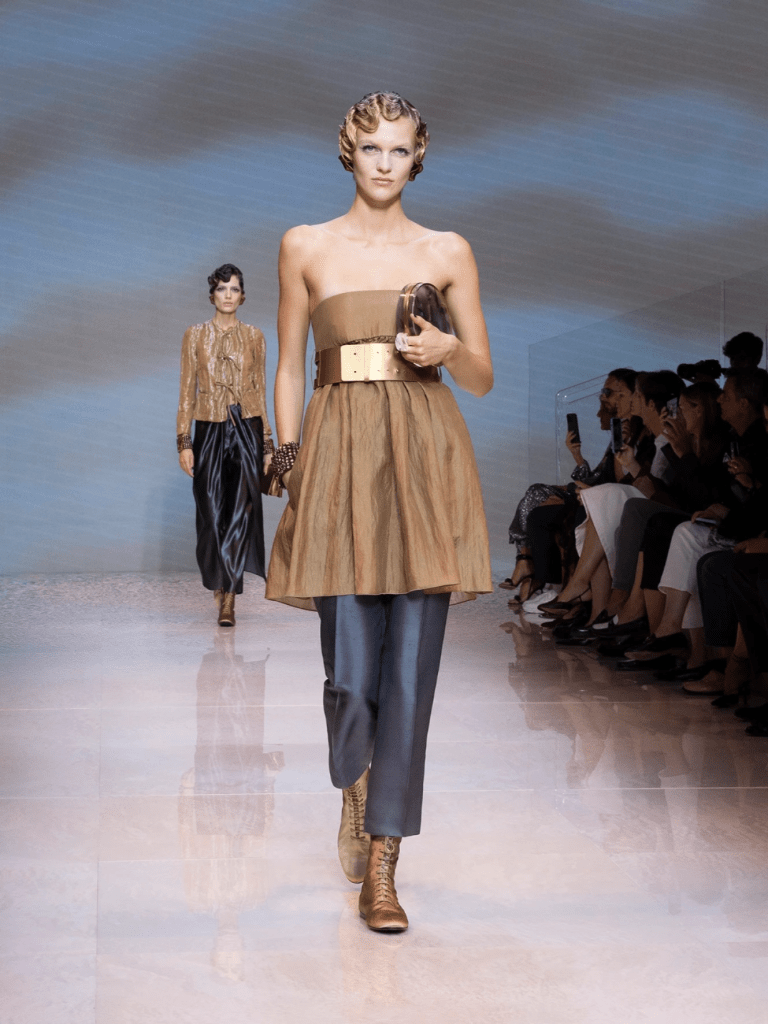
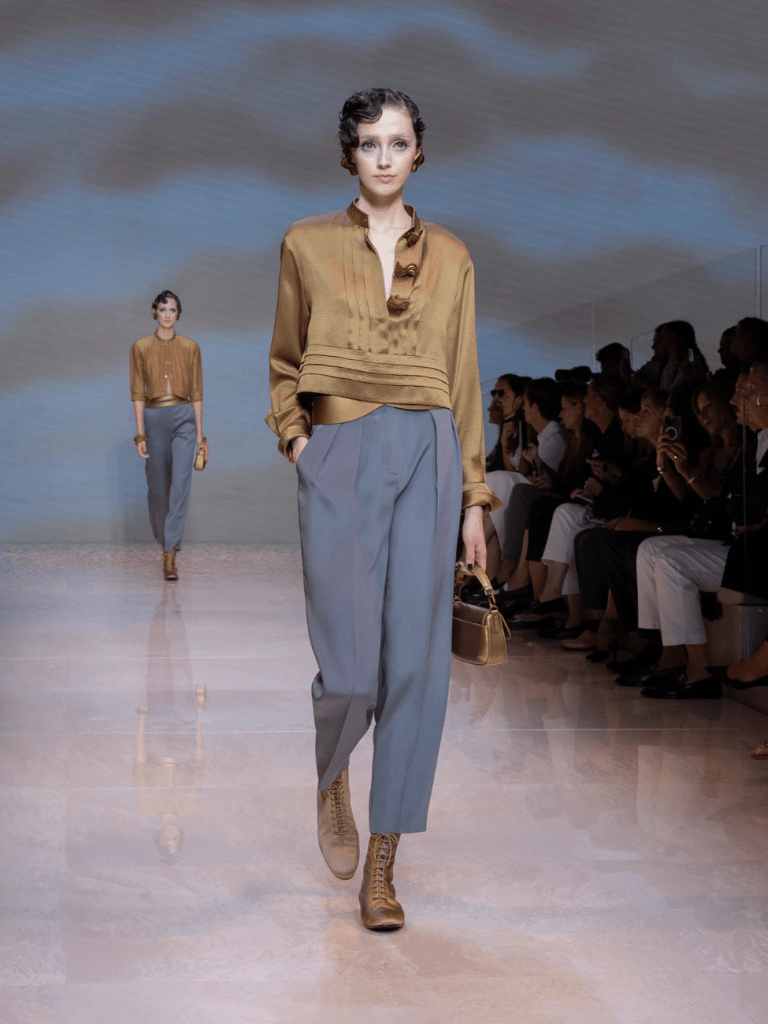
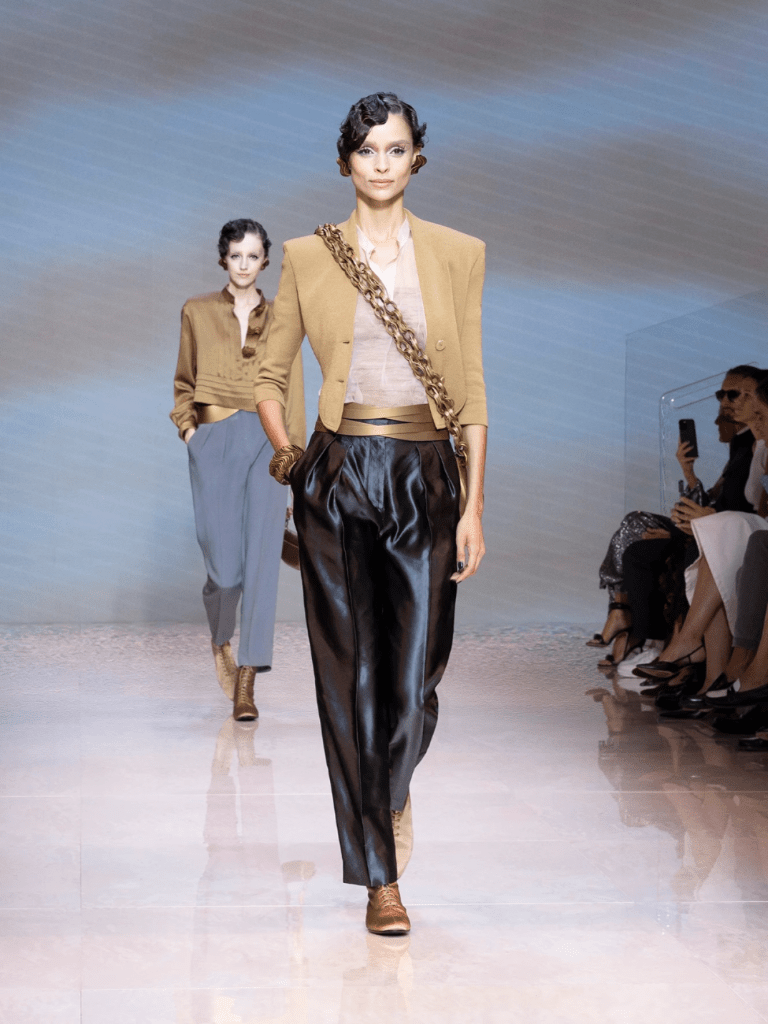
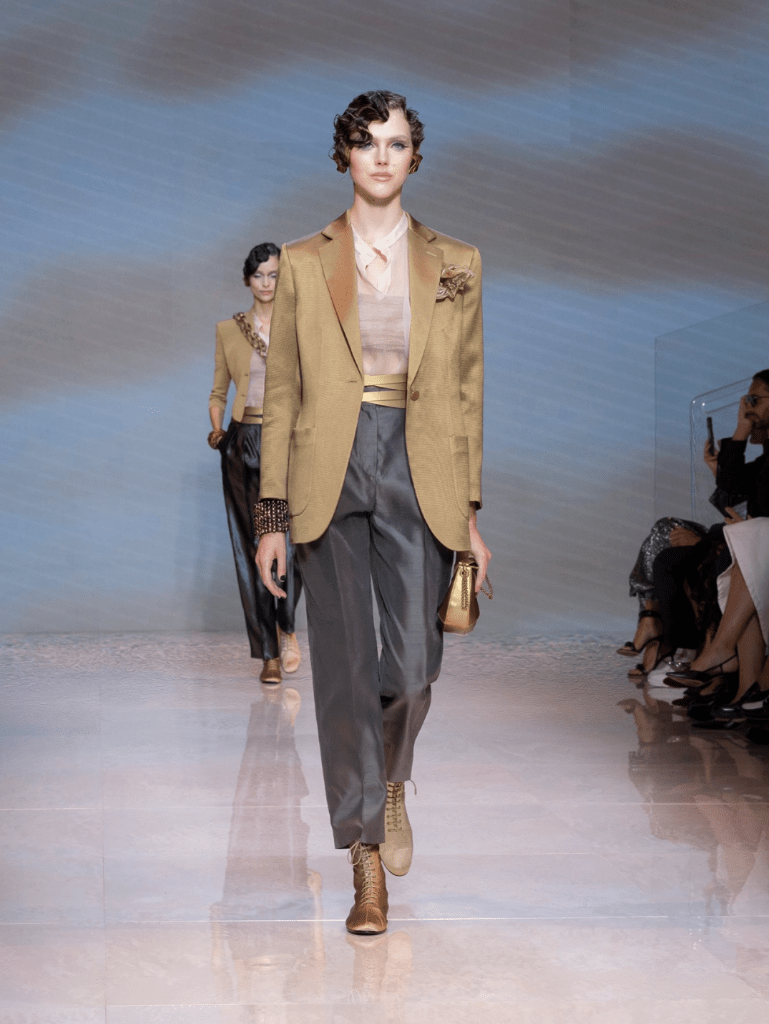
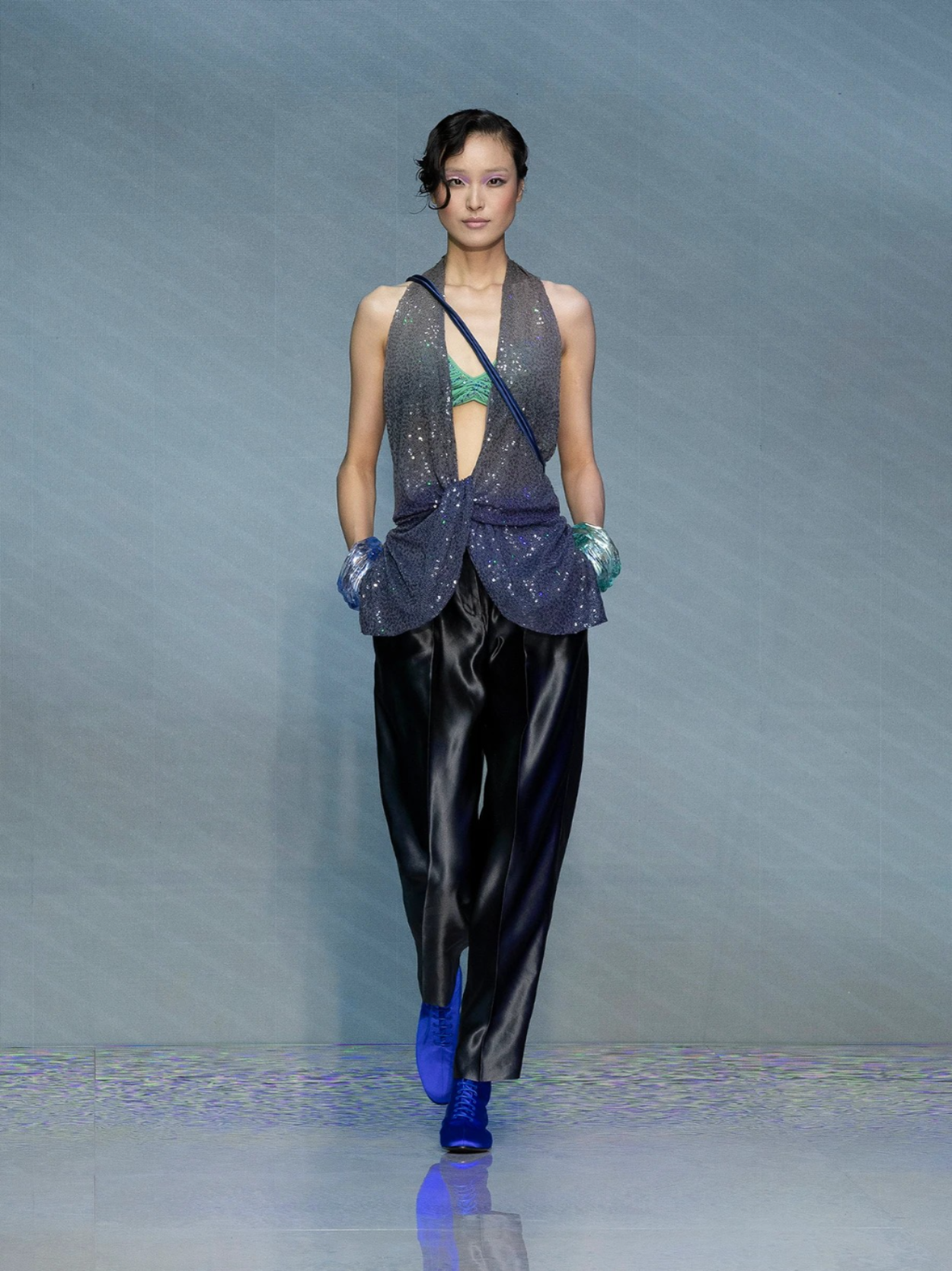
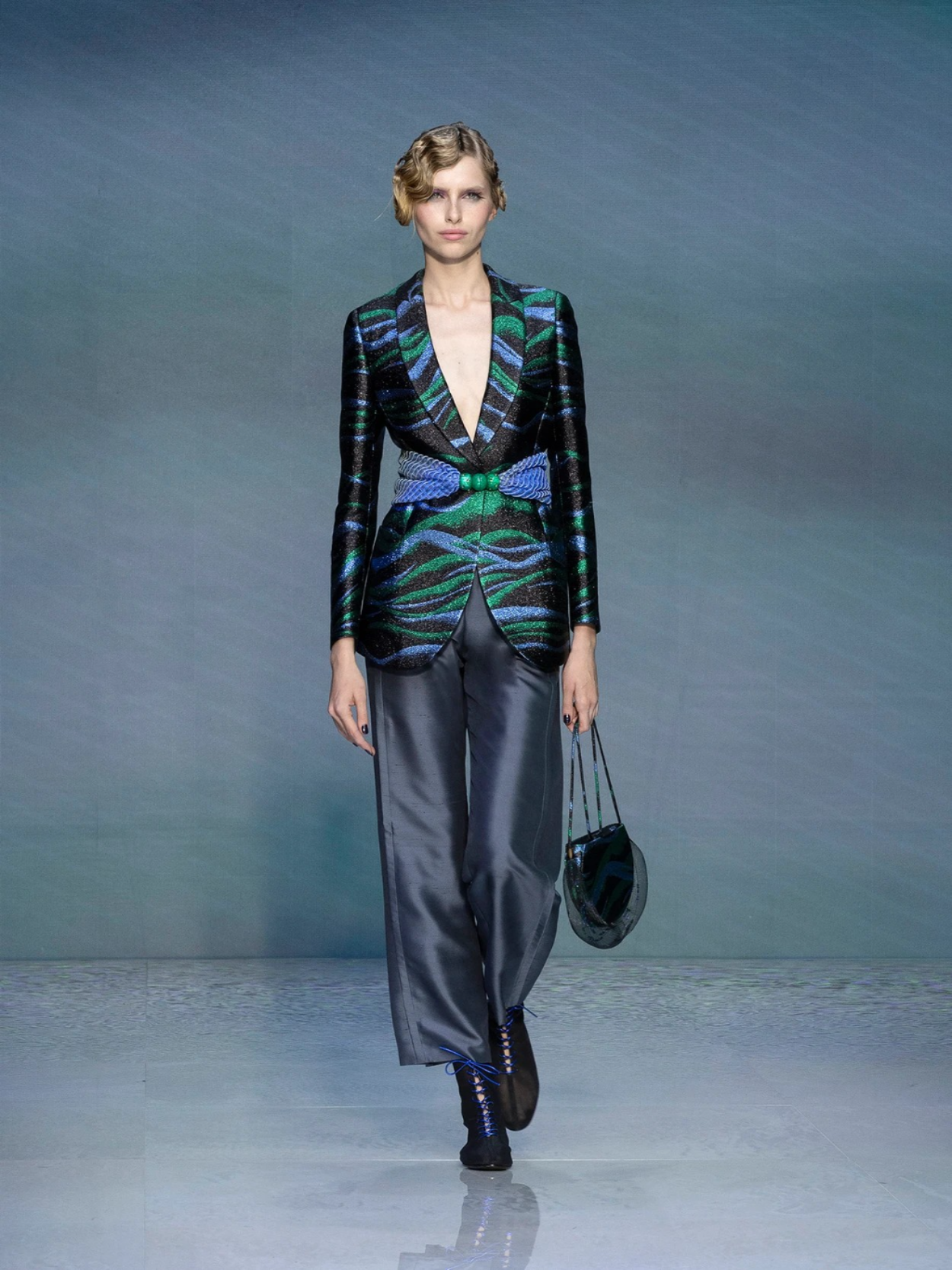
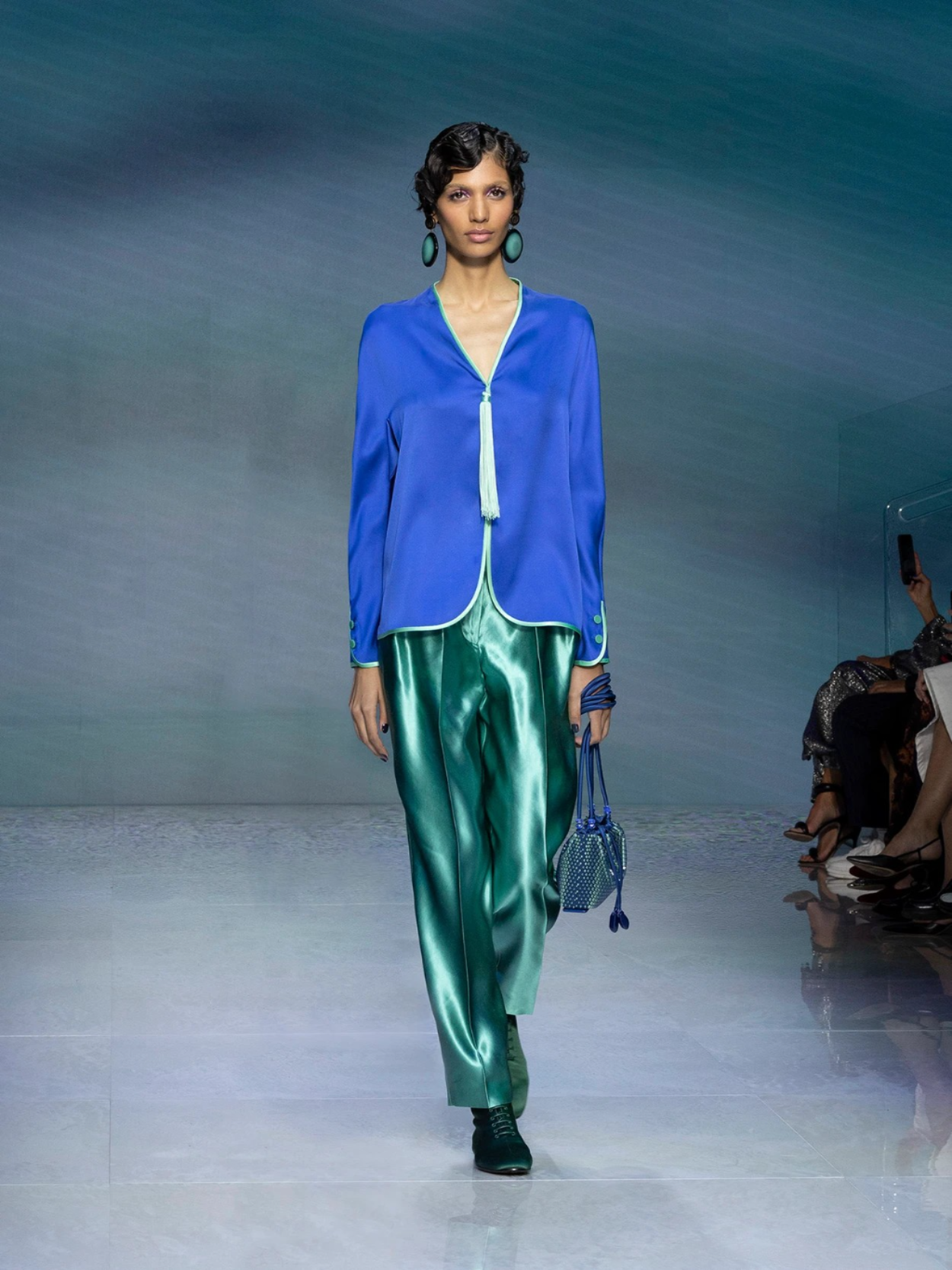
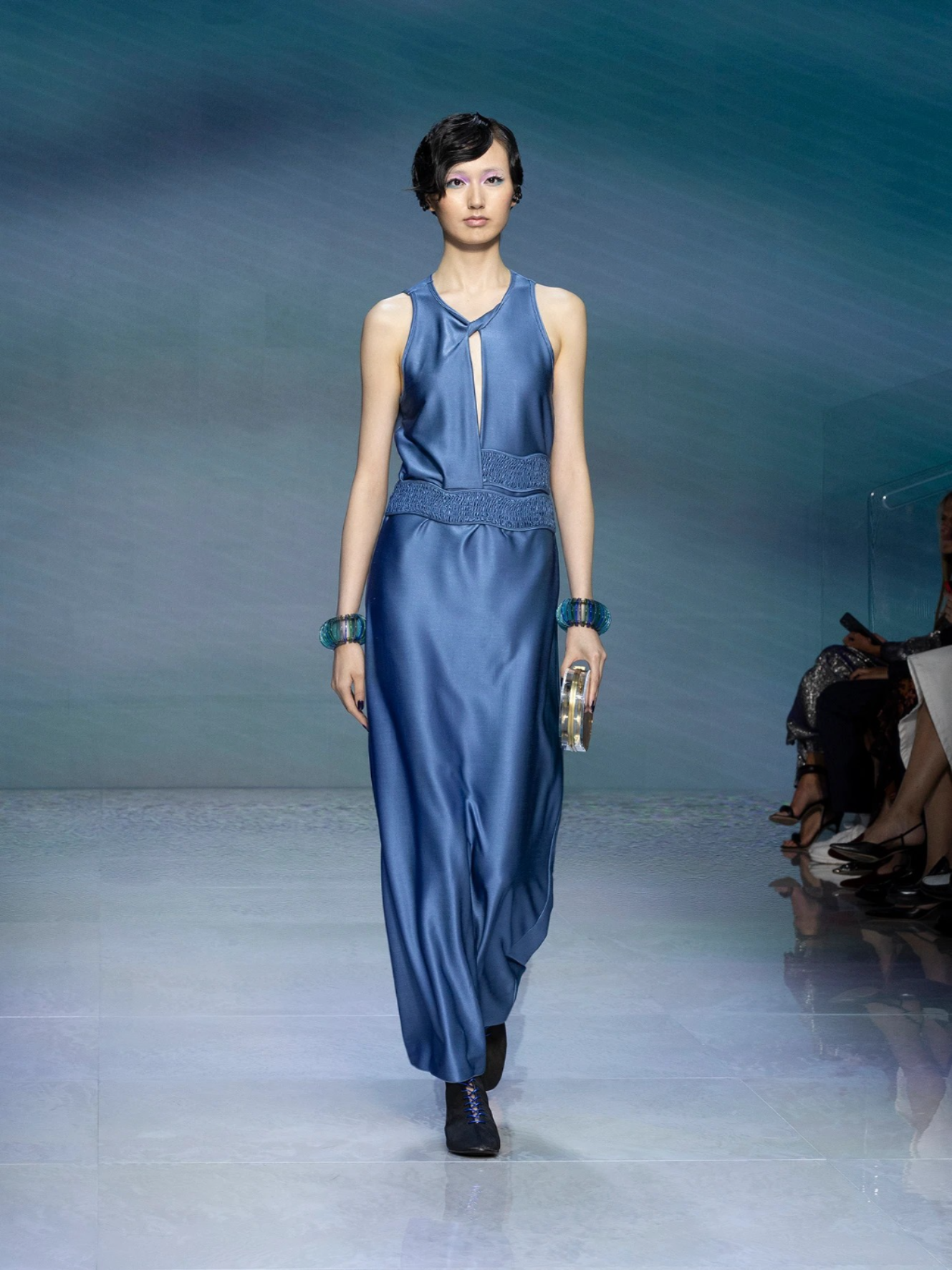
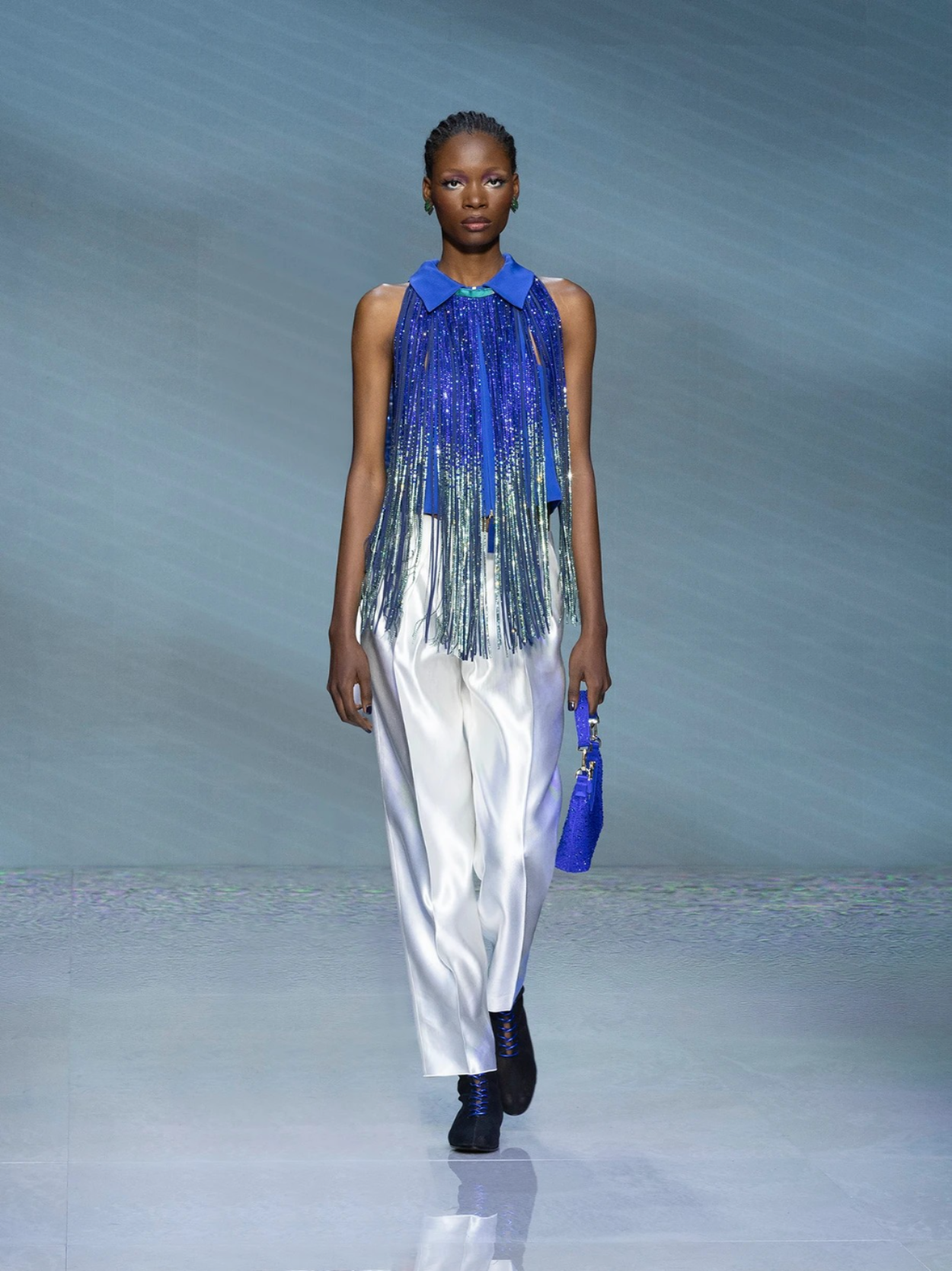
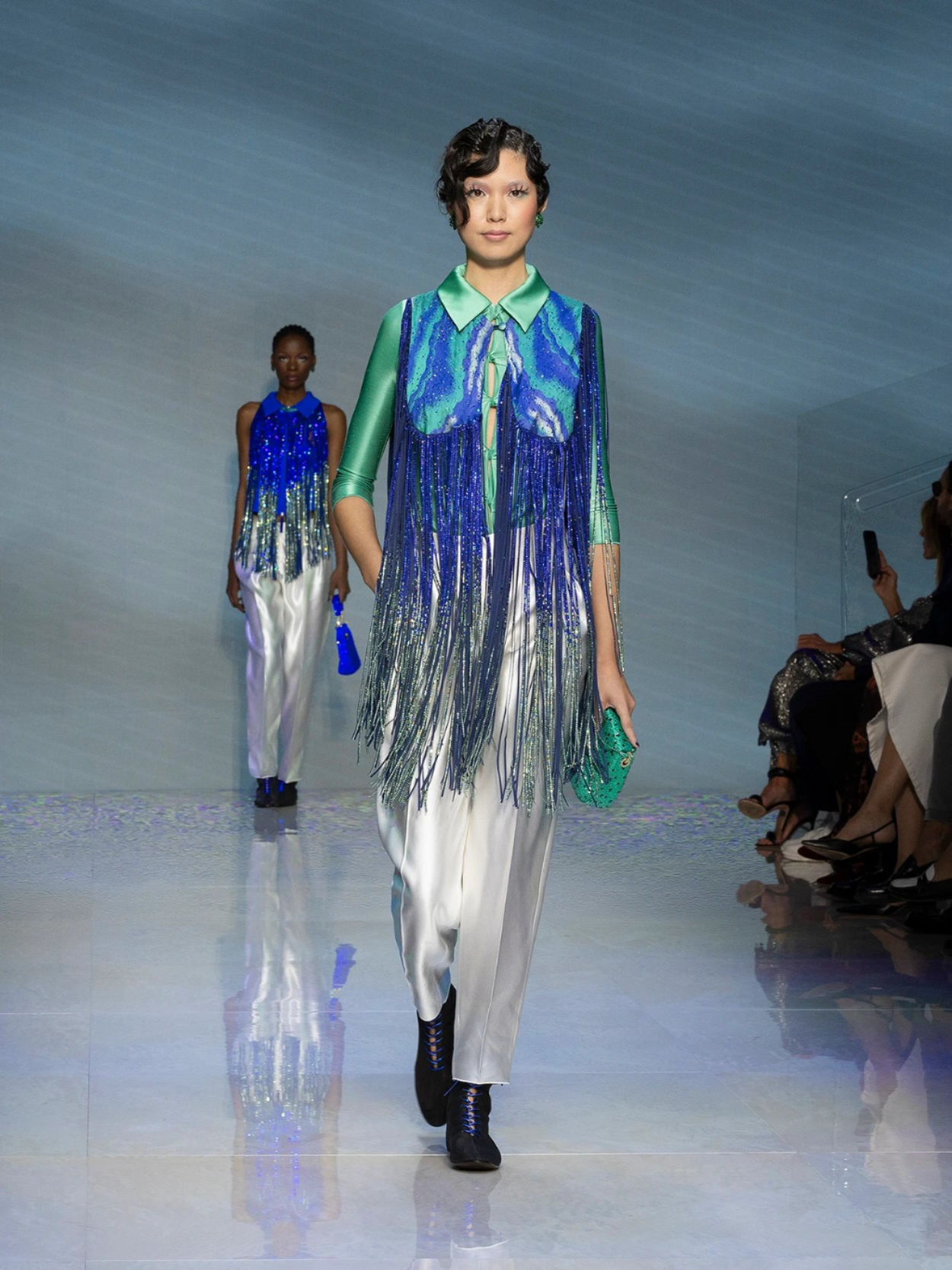
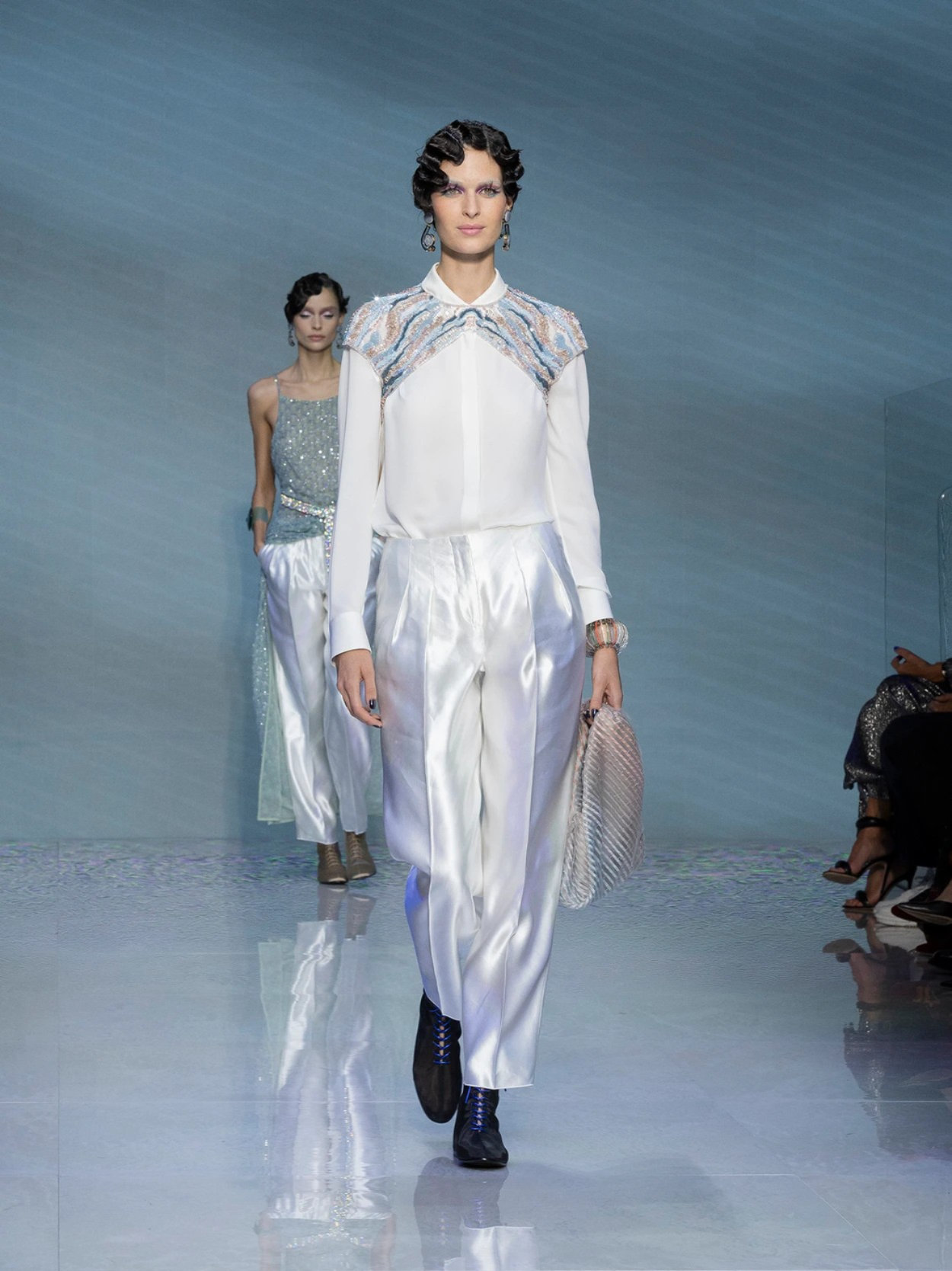
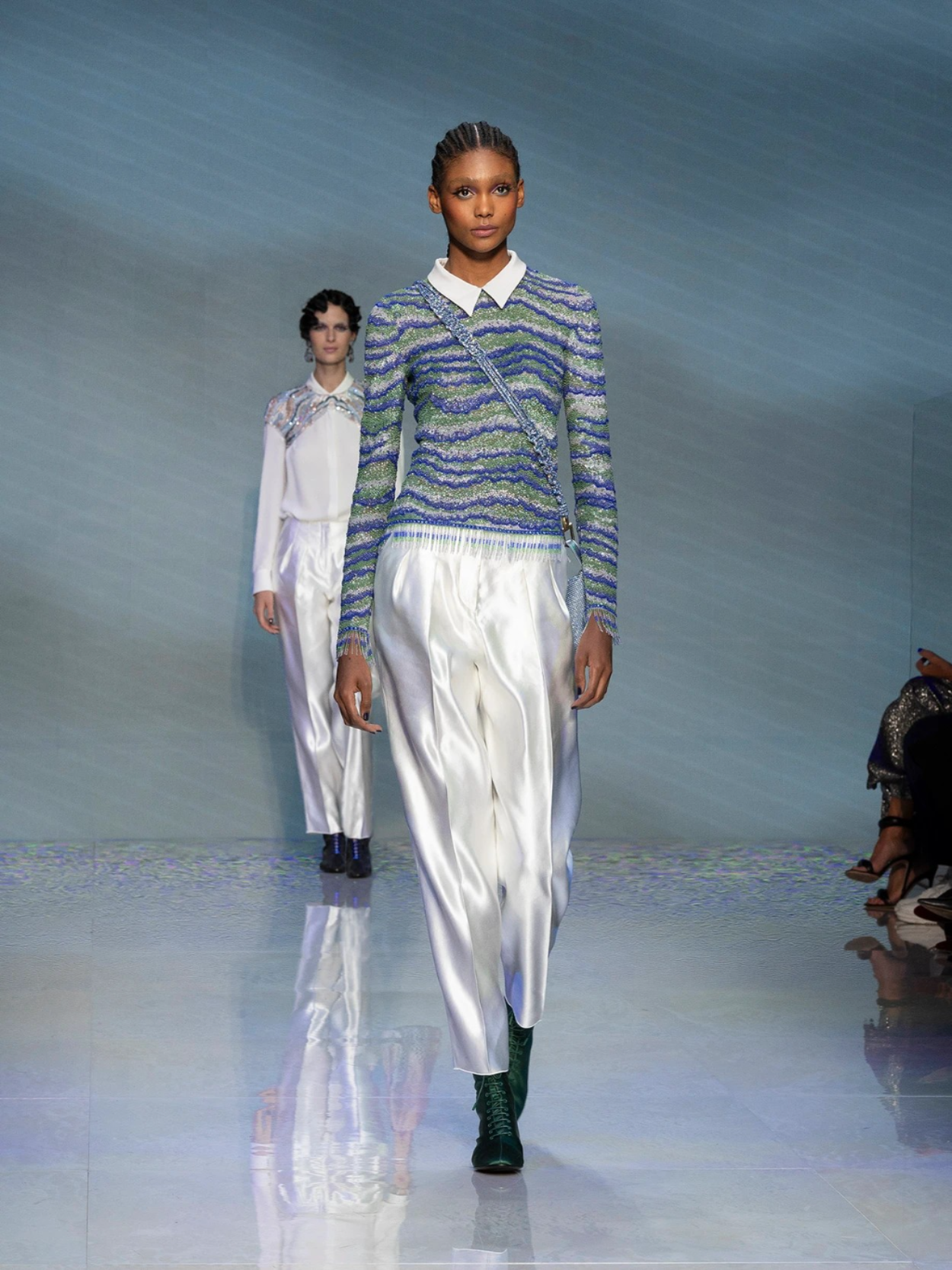
Giorgio Armani’s Spring Summer 2024 Collection is a breathtaking journey into the heart of night-time seascapes, where the moonlight reveals an enchanting world of bronze and silver metallic sparkles. This collection is a masterful blend of sophistication and sensuality, perfect for the discerning fashionista who seeks to make a statement with understated elegance.

Daywear: Where Metallics Meet the Deep

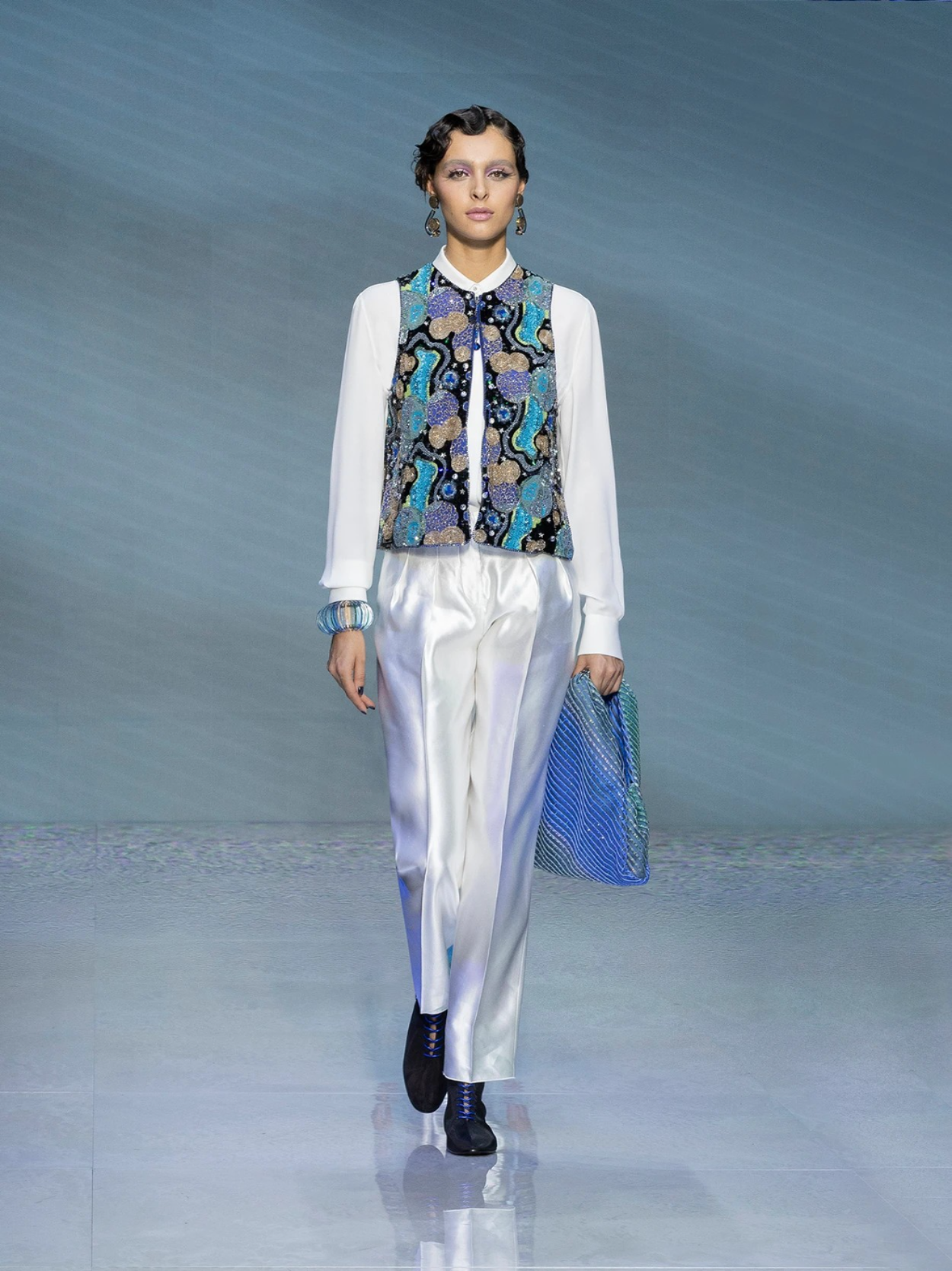
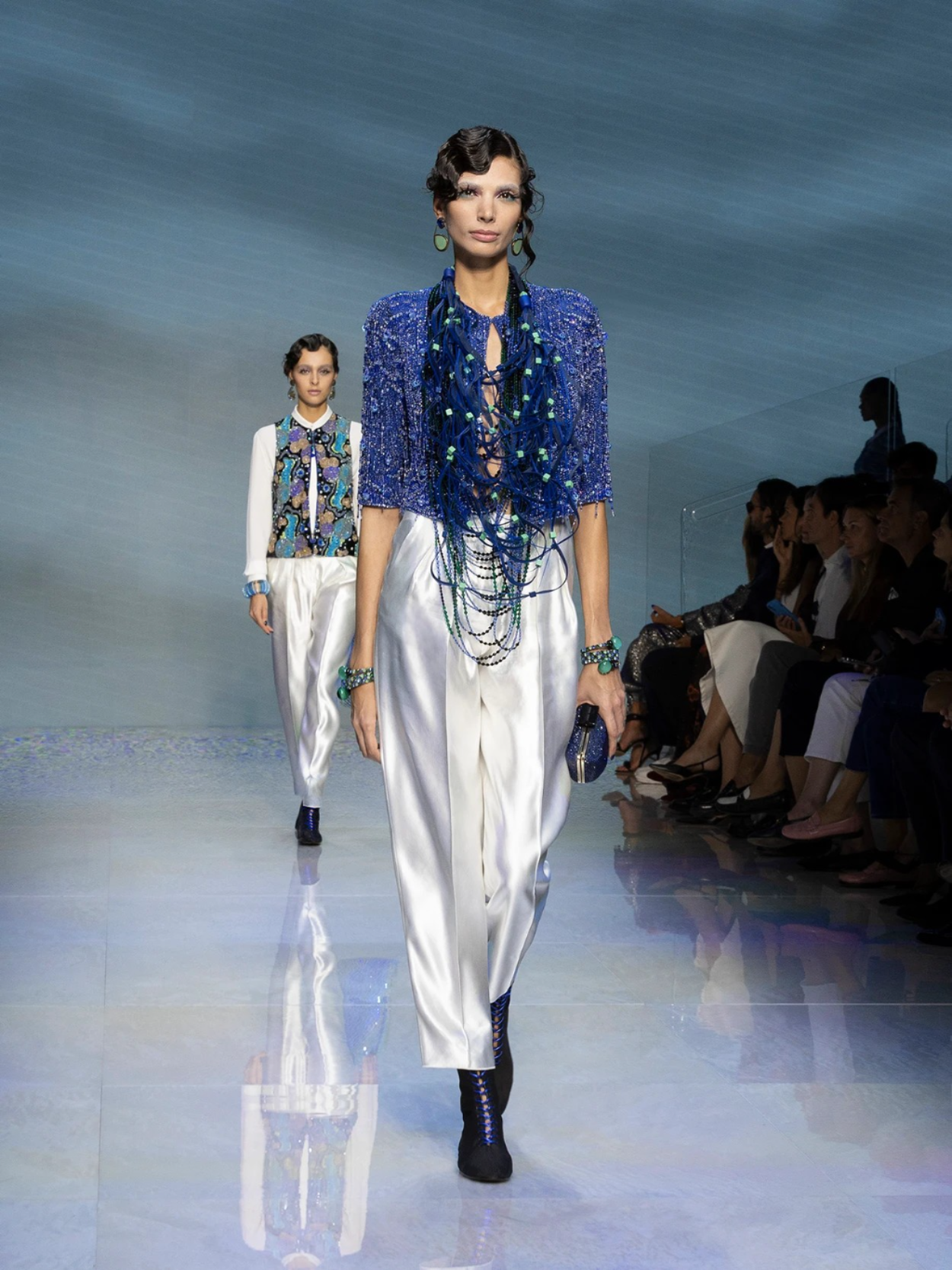
The daywear in this collection is illuminated with bronze and silver metallic sparkles, creating a sophisticated and luxurious look. The palette of deep blues and greens evokes the serene beauty of the sea at night, reflecting the light of the moon. This combination of colors and textures brings a sense of tranquility and mystery, making each piece a true work of art.

Intricate Embellishments

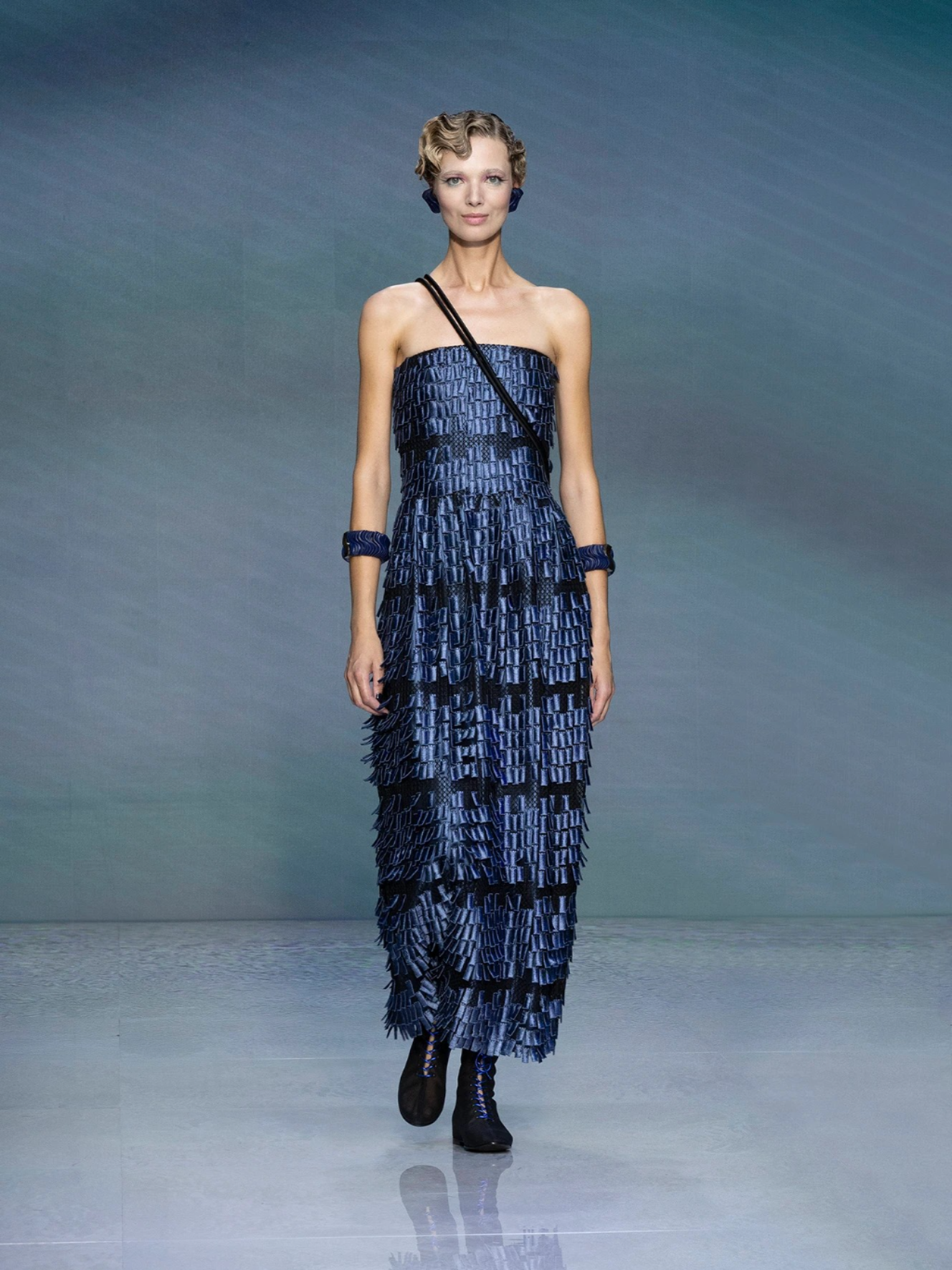
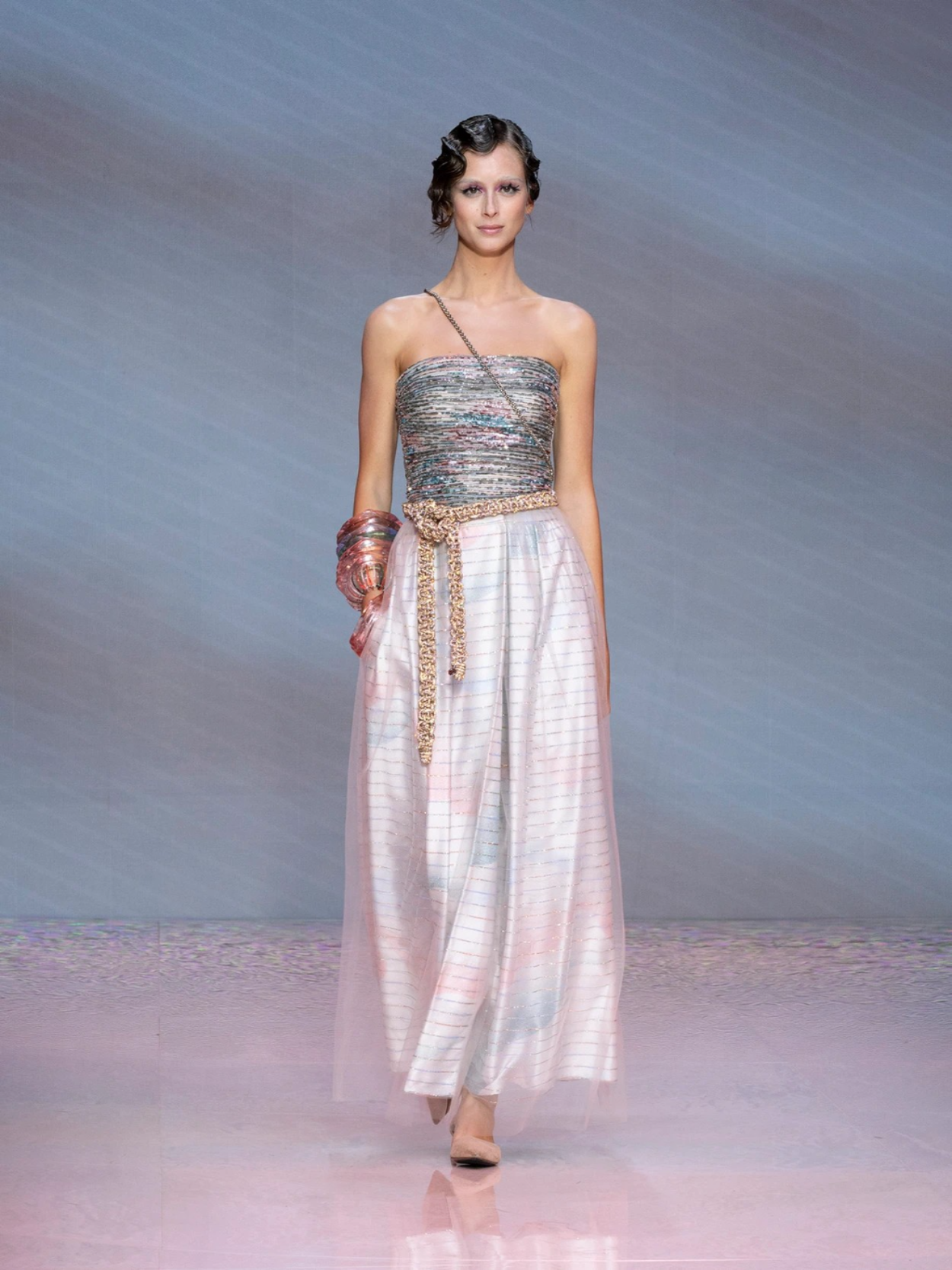
Embroidery, crinkled braiding, and plays of transparencies are the hallmarks of this collection. These intricate details add depth and dimension to the garments, telling a story of exquisite craftsmanship. The subtle hints of light woven throughout the pieces highlight the delicate nature of the designs, creating an aura of understated sensuality.

Evening Wear: Ethereal Elegance

The evening wear selection in this collection is nothing short of magical. Silk and organza serve as the perfect canvas for gradient prints, which are lit by pavé crystals and multicolored beads. These embellishments add a touch of sparkle and glamour, making each piece ideal for a special night out.

The color palette transitions from romantic whites and pinks to rich indigos, reminiscent of a sunrise over the sea. This progression of colors captures the ethereal beauty of dawn, adding a sense of romance and delicacy to the collection.

A Symphony of Textures and Colors

Giorgio Armani’s Spring Summer 2024 Collection is a symphony of textures and colors, masterfully crafted to evoke the beauty of the natural world. Each piece is a testament to Armani’s ability to blend sophistication with subtle sensuality, creating garments that are both timeless and contemporary.

Whether you’re looking for a stunning daywear piece or a show-stopping evening gown, this collection offers something for every fashion enthusiast. The combination of metallic sparkles, intricate embellishments, and a harmonious color palette makes this collection a must-have for anyone looking to add a touch of elegance to their wardrobe.

The Giorgio Armani Spring/Summer 2024 collection is a celebration of femininity in all its forms. It’s a collection for the woman who embraces her sensuality, her elegance, and her love of beauty. Whether she’s strolling along the beach at sunset or attending a glamorous evening event, she’ll find the perfect pieces to express her unique style in this exquisite collection.

Conclusion

The Giorgio Armani Spring Summer 2024 Collection is a celebration of beauty, elegance, and craftsmanship. Its sophisticated daywear and ethereal evening wear are perfect for those who appreciate the finer things in life. Embrace the magic of moonlit seascapes and the romance of sunrise with this exquisite collection, and let your style shine with understated sensuality.

What We Love:

  • The Color Palette: The harmonious blend of metallics, deep sea hues, and romantic pastels creates a visually stunning collection.
  • The Textures: The intricate embroidery, braiding, and crinkled fabrics add depth and interest to the garments.
  • The Versatility: The collection offers a wide range of looks, from sophisticated daywear to ethereal evening attire.
  • The Attention to Detail: Every piece is crafted with meticulous care, reflecting Armani’s commitment to quality and craftsmanship.

Overall, the Giorgio Armani Spring/Summer 2024 collection is a masterpiece of design and artistry. It’s a collection that will inspire and delight fashion lovers around the world.

Visit HAREM’s COUTURE for more insights and updates on the latest fashion trends.

+

An Elegant Style: Mastering the Art of Timeless Fashion

Welcome back to Harem’s Couture! Today, we dive into the sophisticated realm of “An Elegant Style,” where fashion meets grace, simplicity, and timeless beauty. An elegant style transcends fleeting trends, focusing on refined aesthetics and a polished look that remains eternally chic. Let’s explore the key elements that define elegance in fashion and how you can incorporate this timeless style into your wardrobe.

Audrey-Hepburn-850756

Defining Elegance in Fashion

Elegance in fashion is characterized by simplicity, sophistication, and a refined aesthetic. It’s about choosing pieces that exude grace, have a classic appeal, and are impeccably tailored. An elegant style is not just about what you wear but how you carry yourself, reflecting poise and confidence.

Key Elements of an Elegant Wardrobe

  1. Quality Over Quantity: Invest in high-quality fabrics and well-made garments. Timeless pieces crafted from silk, cashmere, wool, and fine cotton exude elegance.
  2. Neutral Palette: Classic colors such as black, white, navy, beige, and grey form the foundation of an elegant wardrobe. These hues are versatile and effortlessly chic.
  3. Classic Silhouettes: Opt for timeless cuts and shapes like tailored blazers, A-line dresses, pencil skirts, and well-fitted trousers. These pieces flatter the figure and never go out of style.
  4. Subtle Details: Elegance is in the details. Look for garments with subtle embellishments, fine stitching, and minimalistic designs that add a touch of sophistication.
  5. Accessorizing with Finesse: Accessories should enhance, not overpower. Choose delicate jewelry, classic handbags, and elegant scarves to complement your look.

Building an Elegant Wardrobe

The Essentials

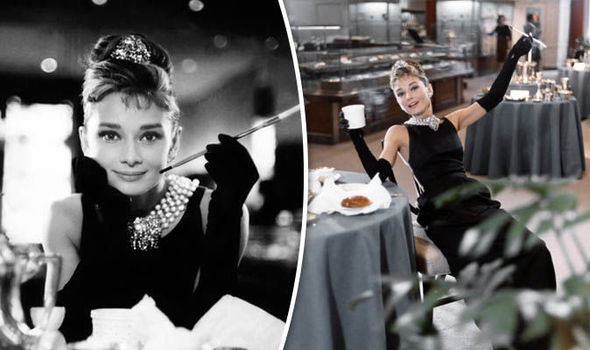
  1. The Little Black Dress (LBD): A quintessential piece that every woman should own. It’s versatile, timeless, and perfect for various occasions.

    created by InCollage

    Image credit: @chiclyinspired

  2. Tailored Blazer: A well-fitted blazer adds structure and polish to any outfit. Pair it with trousers for a professional look or jeans for a smart-casual ensemble.

  3. Classic Trench Coat: A trench coat is a timeless outerwear piece that exudes sophistication. Opt for neutral shades like beige or navy.

    Image credit: Pastela Store

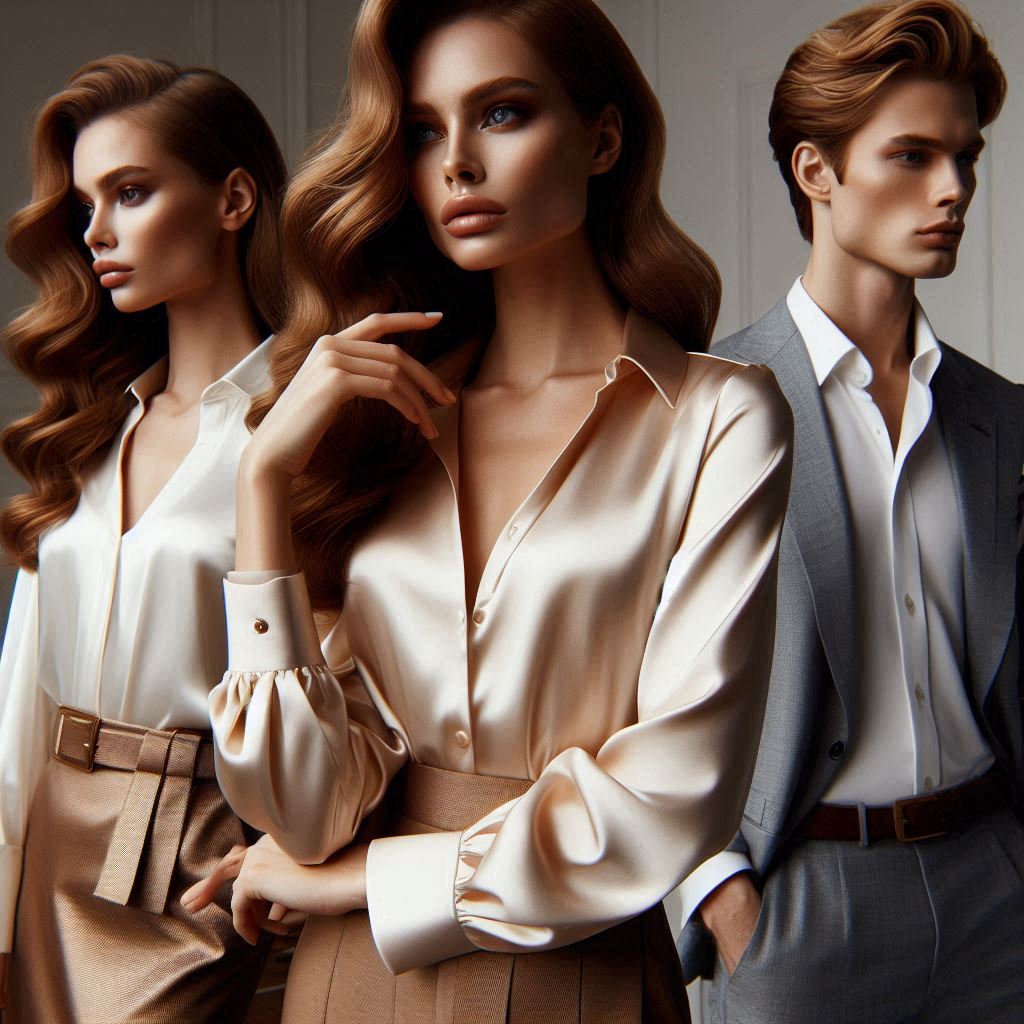
  4. Silk Blouse: Elegant and versatile, a silk blouse can be dressed up or down, making it a staple in any sophisticated wardrobe.
    _a95d74c9-09cf-4cb6-8176-a103d1c014a3
  5. Tailored Trousers: Well-fitted trousers in classic colors are a must-have for creating polished and professional looks.
    _ecf19d88-f6b1-4248-babf-4462076af7bb

    Accessorizing Elegantly

  1. Pearl Necklace: Nothing says elegance like a string of pearls. It’s a timeless accessory that adds a touch of class to any outfit.
  2. Classic Handbag: Invest in a high-quality handbag with a simple design. A classic handbag is both functional and stylish.
    _36e8d253-75ef-4c57-b1a4-b95daa755eef

    Image credit: @yourbagandshoes

  3. Delicate Scarves: A silk scarf can elevate a simple outfit and add a layer of sophistication. Choose patterns and colors that complement your wardrobe.
    _03c43bcc-dfdd-4484-aeef-a489ea93a553

    Styling Tips for an Elegant Look

Keep It Simple

Elegance is about simplicity. Avoid overly busy patterns and excessive embellishments. Instead, focus on clean lines and classic designs.

Fit Is Key

Ensure your clothes fit well. Ill-fitting garments can detract from an otherwise elegant look. Tailoring is a worthwhile investment to achieve a perfect fit.

Mind the Details

Attention to detail is crucial. Iron your clothes, polish your shoes, and make sure your accessories are coordinated. A well-put-together appearance speaks volumes.

Confidence Is Essential

Carry yourself with confidence. An elegant style is not just about the clothes you wear but how you wear them. Good posture and a confident demeanor enhance your overall look.

Inspirational Icons of Elegance

Audrey Hepburn

Audrey Hepburn epitomizes elegance with her timeless style. Known for her chic ensembles and graceful presence, Hepburn’s fashion choices remain influential.

Image credit: Classic Hollywood

Grace Kelly

Grace Kelly’s sophisticated style is the embodiment of classic elegance. Her wardrobe was filled with refined silhouettes, luxurious fabrics, and understated glamour.

Image credit: Royal Archives

Conclusion

Embracing an elegant style is about choosing timeless pieces, focusing on quality, and carrying yourself with confidence. It’s a fashion philosophy that values grace, simplicity, and sophistication. Whether you’re dressing for a special occasion or everyday life, an elegant style ensures you always look polished and poised.

Stay tuned to Harem’s Couture for more fashion insights and style tips. Elevate your wardrobe and embody elegance every day!


SEO Keywords:

  • Elegant style
  • Timeless fashion
  • Classic wardrobe
  • Sophisticated fashion
  • Audrey Hepburn fashion
  • Grace Kelly style
  • Quality clothing
  • Fashion essentials
  • Elegant accessories
  • Chic fashion tips

Remember, elegance is not just about what you wear, but how you wear it. Stay stylish and keep embracing the art of timeless fashion with Harem’s Couture!


Feel free to reach out for any specific topics or questions you’d like us to cover in future blog posts. Your feedback is always welcome!

+

Deconstructing Decadence: The Rich History of Haute Couture

This fashion realm, known for its extravagance, meticulous craftsmanship, and boundary-pushing designs, has shaped the very essence of high fashion. Join us as we deconstruct the decadence of Haute Couture and delve into its rich history.

Haute couture, a term whispered with reverence in the most exclusive fashion circles, signifies more than just exorbitant price tags. It’s a meticulously crafted art form, a testament to human ingenuity and a wellspring of inspiration that has shaped the landscape of fashion for over a century. This esteemed realm beckons us to delve into its rich history, a narrative woven with the threads of visionary designers, groundbreaking innovations, and a clientele discerning in their taste.

Museum at FIT

The Genesis of Haute Couture: A Tailor’s Revolution

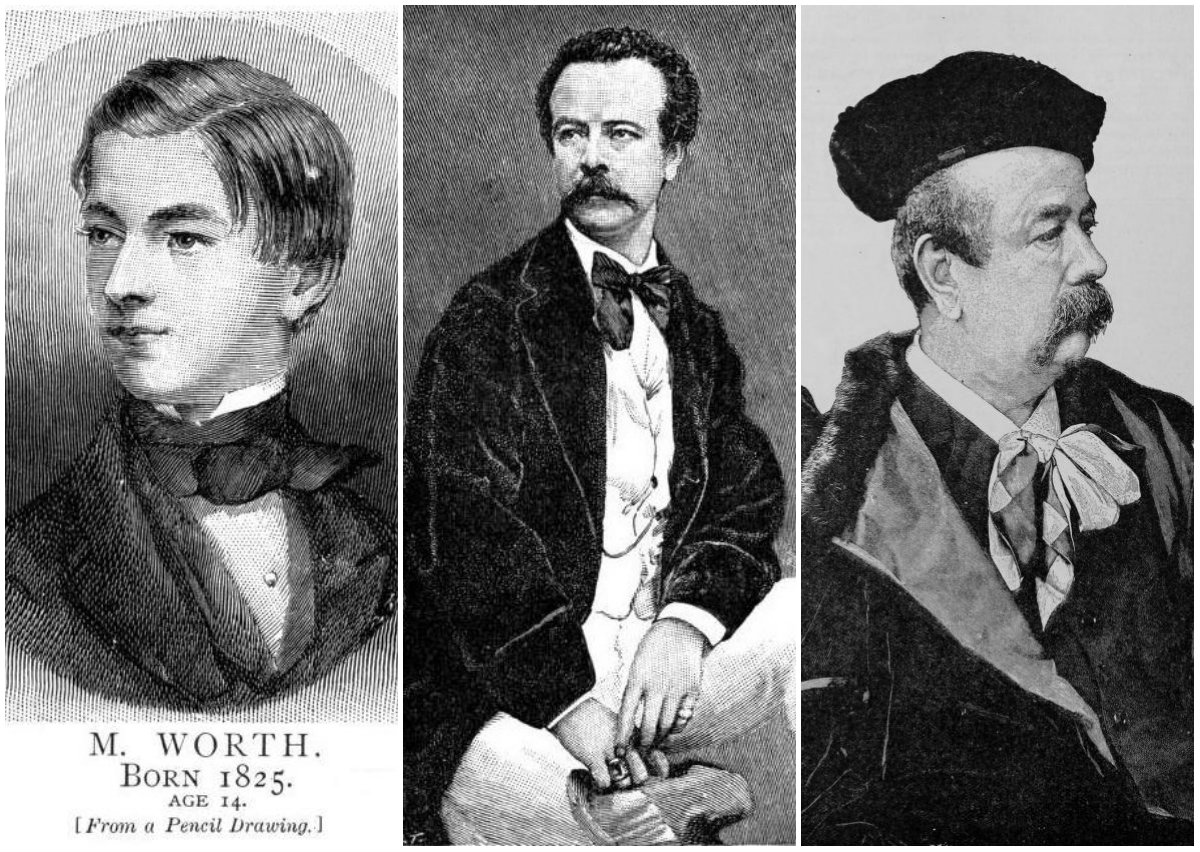
Haute Couture, a French term meaning “high sewing” or “high dressmaking,” traces its origins back to the mid-19th century. It all began with English couturier Charles Frederick Worth, often dubbed the “father of Haute Couture.” The year is 1858, and the fashion scene in Paris is undergoing a seismic shift. Enter Charles Frederick Worth, a visionary tailor whose ambition would forever alter the course of fashion history. Prior to Worth, the dressmaking process was a collaborative affair, with clients dictating the design and often providing their own fabrics. Worth, however, dared to break the mold. In 1858, Worth opened the first couture house in Paris, revolutionizing fashion by introducing the concept of designer labels and bespoke garments.  He established the first true haute couture house, presenting his own collections featuring bespoke designs showcased on live models. This revolutionary approach, coupled with his audacious act of sewing his label onto garments – a symbol of both quality and brand recognition – cemented Worth’s reputation as a pioneer. He not only redefined the role of a tailor but also birthed the very concept of the fashion show as we know it today. These groundbreaking innovations laid the foundation for the exclusive world of haute couture, a world where meticulous craftsmanship and unparalleled creativity reigned supreme.
31163136853_eb4b68115c_o

A Golden Age Blossoms: Legends Take Center Stage

The rise of haute couture coincided with the Industrial Revolution, allowing designers to experiment with new fabrics and techniques. The early 1900s marked the golden era of Haute Couture. The late 19th and early 20th centuries witnessed a flourishing of this newly established art form. Legendary designers emerged, each leaving an indelible mark on the world of haute couture. Iconic designers like Paul Poiret, Coco Chanel, and Jeanne Lanvin brought forth innovative designs that broke away from the restrictive clothing of the past.  Paul Poiret, a champion of artistic expression, known for his vibrant colors and exotic influences, liberated women from corsets challenged the restrictive silhouettes of the era with his revolutionary “Empire line” dress. This daring design, characterized by a high waist and flowing skirt, offered women a newfound sense of freedom and mobility, a stark contrast to the corseted constraints of the past.

Coco Chanel, another iconoclast, introduced the concept of chic simplicity with her timeless creations and redefined luxury with her focus on comfort and clean lines. Her iconic little black dress, a testament to her belief in timeless elegance, transcended trends and democratized luxury by making it more accessible and wearable.
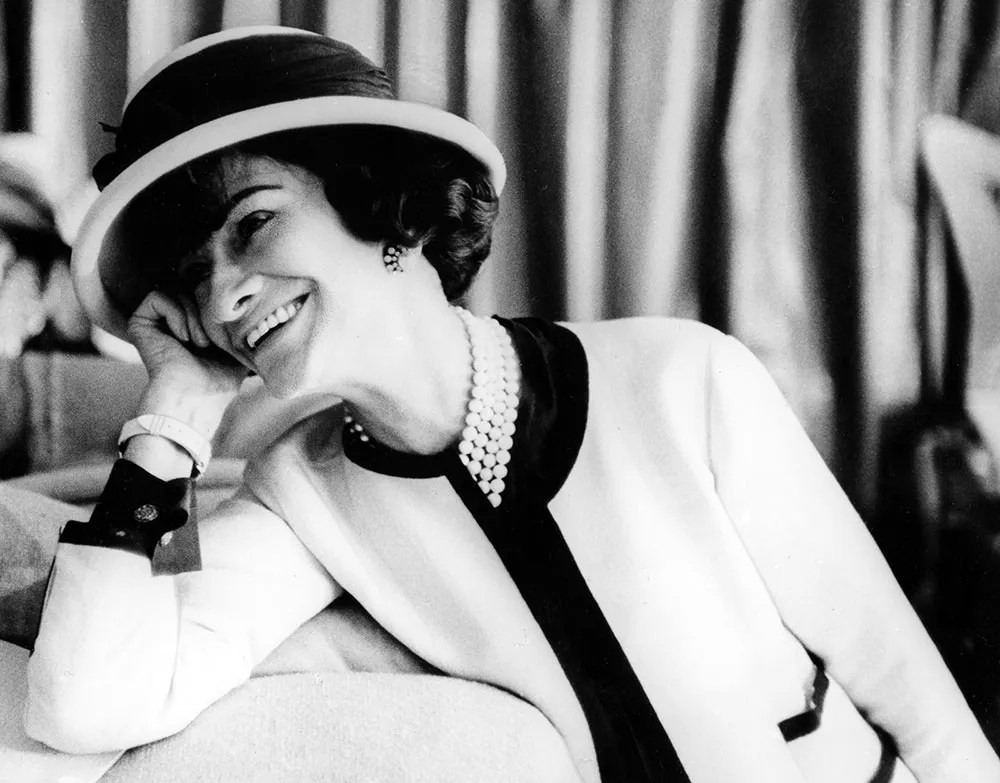
Coco-Chanel-1960

Gabrielle “Coco” Bonheur Chanel

Iconic Designers and Their Legacy
  • Paul Poiret: Known for his theatrical designs and oriental influences, Poiret was a pioneer in freeing women from corsets, making way for more fluid silhouettes.
  • Coco Chanel: Chanel’s legacy is built on simplicity and elegance. Her little black dress and Chanel suit are enduring symbols of timeless fashion.
  • Jeanne Lanvin: Lanvin’s intricate detailing and luxurious fabrics set a new standard in women’s fashion, with her designs often inspired by her love for art and culture.
 The Mid-Century Masters

The mid-20th century saw the rise of couturiers like Christian Dior, whose “New Look” in 1947 redefined post-war fashion with its full skirts and cinched waists. Yves Saint Laurent and Hubert de Givenchy also emerged as key figures, each bringing their unique vision to the world of Haute Couture.

christian-dior-s-new-look-1548-e1502105206494

The Dior Revolution

Christian Dior’s debut collection in 1947, famously dubbed the “New Look,” revolutionized women’s fashion. His designs emphasized an hourglass silhouette, with voluminous skirts and nipped-in waists, symbolizing a return to opulence and femininity after the austerity of World War II.

Beyond the Runway: The Unsung Heroes of Haute Couture

The brilliance of haute couture extends far beyond the visionary designers who helm the fashion houses. A dedicated army of artisans, the unsung heroes of this realm, meticulously translate these creative concepts into reality. Skilled tailors with nimble fingers and an eye for detail meticulously execute the designer’s vision, meticulously hand-stitching garments and employing a variety of specialized techniques, like draping and pleating, to achieve the desired silhouette and flawless finish. Embroiderers weave intricate patterns with unparalleled precision, while milliners craft exquisite hats that complete the opulent look. These artisans, the backbone of haute couture, dedicate years to honing their craft, ensuring that each piece is a testament to human artistry and a work of exceptional quality.
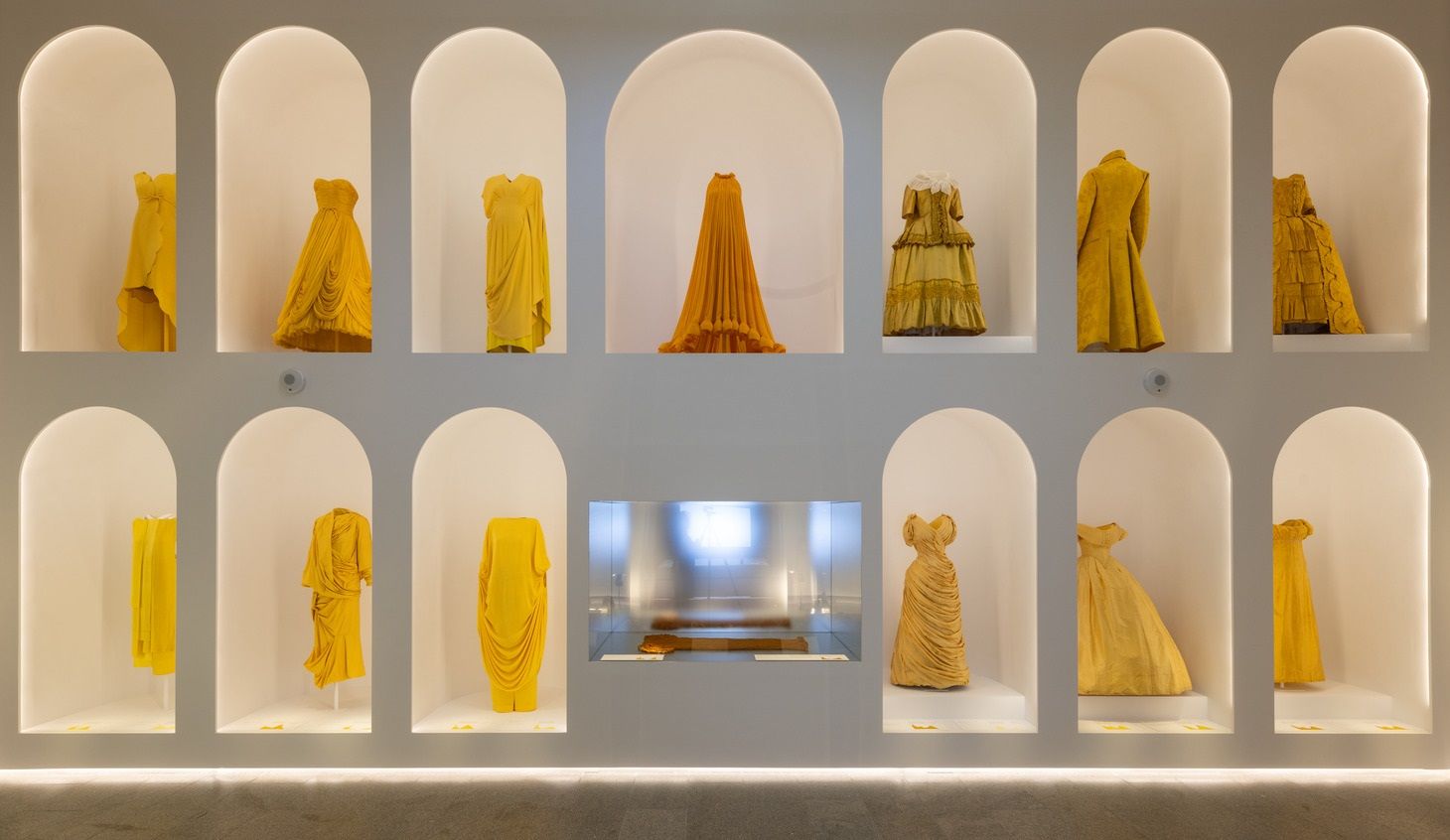
CI_marquee_Golden_dresses_1460x846

The Enduring Legacy: Haute Couture in the Modern Era

In the fast-paced world of 21st century fashion, where trends come and go at breakneck speed, some might question the continued relevance of haute couture. However, this esteemed domain persists as a vibrant wellspring of inspiration. The extravagant experimentation witnessed on the haute couture runway often trickles down to ready-to-wear collections, influencing mainstream fashion trends. Furthermore, haute couture serves as a vital custodian of exceptional craftsmanship, reminding us of the artistry and dedication that goes into creating garments that transcend mere utility. These exquisite pieces are not just worn, they are collected, cherished, and passed down as heirlooms, a testament to the enduring allure of this unique art form.

Modern Haute Couture: Innovation and Sustainability

In contemporary times, Haute Couture continues to evolve, embracing technological advancements and sustainability. Designers like Karl Lagerfeld for Chanel, John Galliano for Dior, and more recently, Maria Grazia Chiuri and Pierpaolo Piccioli have carried forward the legacy of innovation and creativity.

Technology Meets Tradition

Modern Haute Couture houses are integrating cutting-edge technology with traditional craftsmanship. 3D printing, sustainable fabrics, and digital design techniques are now part of the couture process, allowing designers to push the boundaries of creativity while addressing the environmental impact of fashion.

Audrey-Hepburn-850756

The Role of Haute Couture in Pop Culture

Haute Couture has always had a profound influence on pop culture, often seen on red carpets, fashion editorials, and in the wardrobes of celebrities. From Audrey Hepburn’s iconic Givenchy dress in “Breakfast at Tiffany’s” to Blake Lively’s jaw-dropping Met Gala Versace, Haute Couture remains at the forefront of fashion statements.

Blake Lively- Met Gala

Celebrities and Couture

Celebrities play a significant role in the Haute Couture narrative, often serving as muses for designers. Their appearances in bespoke creations bring Haute Couture to the masses, highlighting the artistry and exclusivity of these one-of-a-kind pieces.

A Continuing Conversation: The Future of Haute Couture

As we look to the future, Haute Couture will undoubtedly continue to evolve, reflecting changes in society, technology, and sustainability. With a rich heritage to draw from and an innovative spirit, the world of Haute Couture will keep dazzling and inspiring for generations to come.

As we stand at the crossroads of history, the future of haute couture remains an intriguing question. Will it continue to cater to a select clientele, or will it find new avenues to engage with a wider audience? Perhaps technology will play a role, with advancements in 3D printing and digital design offering innovative ways to create and showcase haute couture pieces. One thing remains certain: haute couture will continue to evolve, pushing boundaries, fostering innovation, and inspiring the future of fashion.
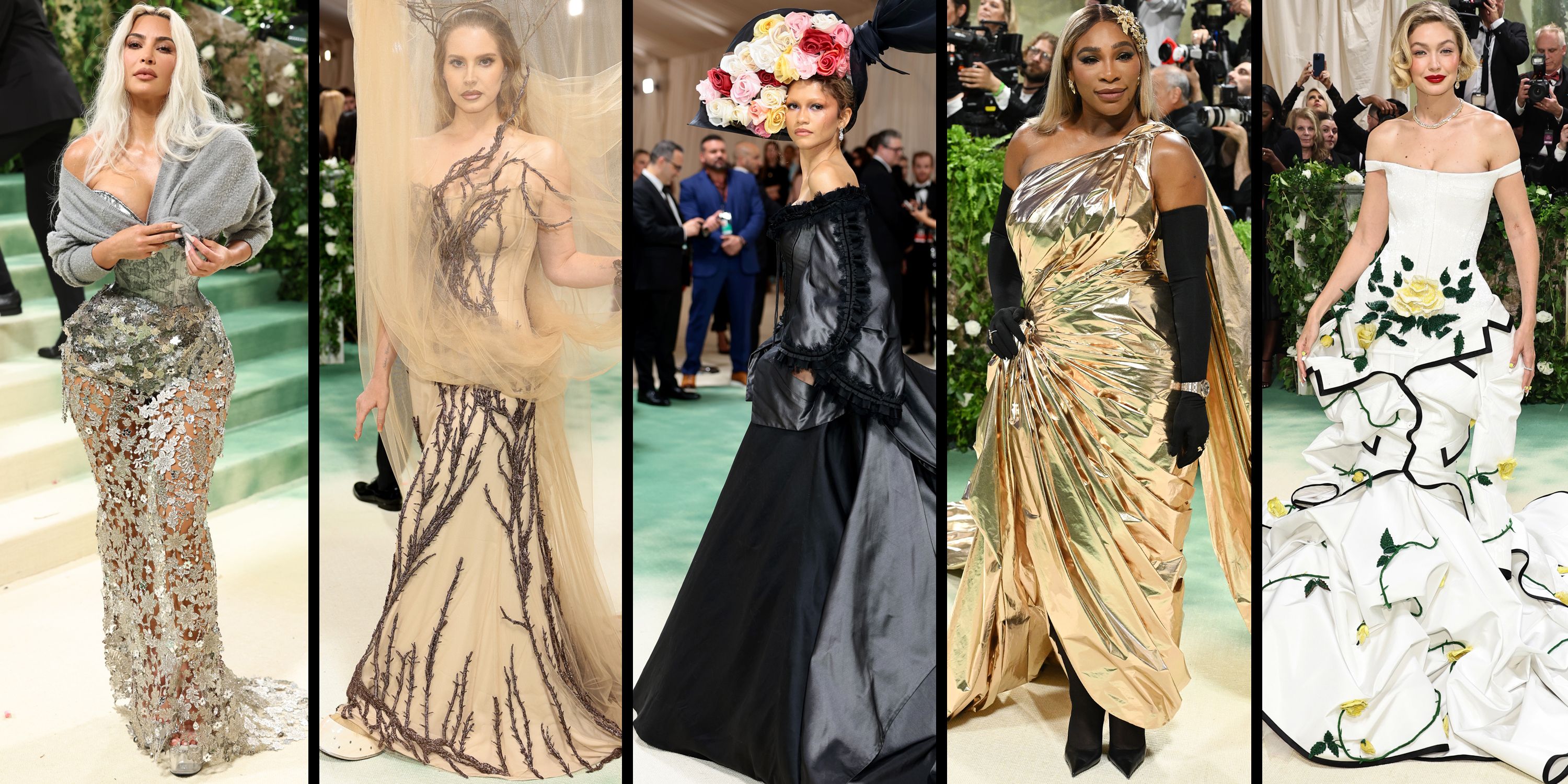
met-gala-red-carpet-2024-66398cd537e14

Embracing Diversity and Inclusivity

The future of Haute Couture is also about embracing diversity and inclusivity. Designers are increasingly showcasing a wider range of body types, ethnicities, and gender expressions, making Haute Couture more accessible and representative of the global community.

Evolution and Milestones

Here are some key moments in the history of haute couture:

  1. 1868Le Chambre Syndicale de la Haute Couturewas established as the safeguard of high-fashion. Designers had to earn the right to label themselves a couture house according to specific specifications.
  2. 1908: The phrase “haute couture”was used for the first time.
  3. 1945: New specifications were established by Le Chambre Syndicale de la Haute Couture:
    • Designs must be made-to-orderfor private clients, with one or more fittings.
    • Each atelier must have at least 20 members of staff.
    • Each season, the couture house must present a collection of at least 35 runswith both daytime and evening wear to the Paris press.
  4. 1947: France’s fashion industry was successfully revived from wartime austerity with Christian Dior’s ‘New Look’ collection. This collection featured a new-found glamour with tight waists, stiff petticoats, and billowing skirts.
  5. 1966Yves Saint Laurentlaunched Saint Laurent Rive Gauche, the first freestanding couture boutique. Other designers like Pierre CardinAndre CourregesTed Lapidus, and Emanuel Ungaro followed suit by opening their own stores.
  6. 1970: The number of couture houses dropped significantly, attributed to strict rules from Le Chambre Syndicale de La Haute Couture. Mass-production became popular, and couture clientele diminished.
  7. 2004Versacetemporarily stopped holding shows due to the recession.
  8. 2013Rad Houranidebuted the first-ever unisex couture collection.
  9. 2014Christian Diorbrought the first haute couture show to Shanghai, and Ralph & Russo joined as the first British brand in over 100 years of Couture Fashion Week.
CONCLUSION

Haute Couture is more than just fashion; it’s an art form that embodies the pinnacle of luxury, creativity, and craftsmanship. From its historical roots to its modern-day innovations, Haute Couture continues to captivate and inspire. By understanding the past and present of Haute Couture, we can appreciate the intricate artistry and visionary designs that define this exclusive fashion domain. Whether you’re a fashion aficionado or simply curious about the world of luxury dresses and celebrity styles, Harem’s Couture is your go-to source for all things haute couture.

We invite you, our esteemed readers, to join the conversation. What iconic couture piece continues to captivate you? In your vision, what lies ahead for the future of haute couture? Share your thoughts in the comments below, and embark on this sartorial journey with Harem’s Couture as we delve deeper into the captivating world of this exquisite art form.

Stay tuned to Harem’s Couture for more insights into the dazzling world of high fashion, celebrity styles, and luxury trends.

SEO Keywords:
  • Haute Couture history
  • High fashion
  • Luxury dresses
  • Iconic designers
  • Celebrity styles
  • Sustainable fashion
  • Fashion innovation
  • Haute Couture origins
  • Dior New Look
  • Chanel legacy

Stay fashionable and keep exploring the world of high fashion with Harem’s Couture!

Feel free to reach out for any specific topics or questions you’d like us to cover in future blog posts. Your feedback is always welcome!
+

The Fabrics OF FASHION: A Comprehensive Guide to Luxurious Textiles

Welcome, fashion enthusiasts and aspiring designers, to Harem’s Couture! Today, we embark on a captivating journey into the very essence of haute couture—the luxurious textiles that drape the figures of icons and transform mere garments into breathtaking works of art. We’ll delve into the properties, histories, and intricate details of these coveted fabrics, revealing how they contribute to the unparalleled elegance, structure, and movement that define high fashion.
pngtree-silk-fabric-satin-texture-background-image_2201133

  1. SILK: A Legacy of Opulence Woven in Thread

Our exploration begins with the undisputed queen of fabrics—silk. Its history stretches back millennia, originating in ancient China, where its production was a closely guarded secret for centuries. The delicate process of silk farming, involving the meticulous harvesting of silkworm cocoons and the painstaking extraction of the fine fibers, imbues silk with an inherent sense of luxury.

Unveiling Silk’s Allure: A Tapestry of Properties

  • Unequalled Smoothness: Silk boasts an incredibly smooth texture, unmatched by any other natural fiber. This unparalleled characteristic arises from the triangular cross-section of the silk fiber, which reflects light differently, creating a luminous sheen. This sheen, often described as iridescent, adds a touch of understated glamour to any garment.
  • Exceptional Strength: Despite its delicate appearance, silk possesses surprising strength. This inherent durability allows for the creation of garments that are both lightweight and long-lasting.
  • Drape: The Art of Movement: Silk’s ability to drape beautifully is a key factor in its haute couture appeal. The fabric flows effortlessly, creating fluid silhouettes that flatter the figure and move with an almost liquid grace. This exceptional drape allows for the creation of intricate folds, pleats, and gathers, adding depth and visual interest to a garment.
  • Versatility Across the Fashion Spectrum: While often associated with evening gowns and formal wear, silk’s versatility extends far beyond the red carpet. From the crisp structure of a tailored shirt to the delicate pleats of a summer dress, silk lends itself to a wide range of applications.

depositphotos_64512577-Fashion-Model-Woman-Dress-Lady-In-Fluttering-Silk-Beauty-Gown-Fabric-Waving-Wind-Beautiful-Girl-With-Long-Dynamic-Flying-Cloth

Beyond the Basics: Exploring Silk’s Varied Expressions

The world of silk is not a monolithic entity. Several distinct varieties, each boasting unique properties, cater to the diverse needs of couture designers. Here’s a closer look at some of the most coveted:

  • Mulberry Silk: Considered the pinnacle of luxury silks, mulberry silk comes from the cocoons of silkworms fed exclusively on mulberry leaves. This meticulous diet results in exceptionally long and strong fibers, translating into a fabric renowned for its unmatched smoothness, lustrous sheen, and exceptional drape.
  • Charmeuse: This luxurious fabric features a satin weave on one side and a crepe weave on the other. The result is a fabric with a beautiful, lustrous face and a slightly textured back, offering a stunning interplay of light and shadow. Charmeuse is often used for evening gowns and lingerie due to its fluid drape and elegant appearance.
  • Organza: This lightweight, sheer fabric is perfect for creating voluminous skirts, layered gowns, and delicate overlays. While traditionally made from silk, modern organza can also be crafted from synthetic fibers. Its crispness allows for the creation of structured shapes and dramatic silhouettes.

soft-chiffon-fabric-texture-background_1409-3384

  1. CHIFFON: A Gossamer Dream, Woven in Air

Next, we turn our attention to chiffon, a fabric that embodies a sense of ethereal beauty and weightless movement. This delicate, sheer fabric is often made from silk or synthetic fibers and is prized for its ability to create flowing, dream-like garments.

Unveiling Chiffon’s Delicate Charm: A Symphony of Properties

  • Sheerness and Airiness: Chiffon is incredibly sheer and airy, creating a floating, almost weightless sensation when worn. This diaphanous quality allows light to pass through the fabric, adding a touch of romance and intrigue to any garment.
  • Softness and Gauzy Texture: Chiffon possesses a soft, gauzy texture that is gentle against the skin. This subtle texture adds a touch of whimsy and romance to a garment, making it ideal for creating flowing silhouettes and adding a touch of volume.
  • Versatility in Color and Design: Chiffon can be dyed in a vast array of vibrant colors, allowing designers to create garments that are both playful and sophisticated. However, chiffon’s natural, almost ethereal quality in its un-dyed state is equally captivating.

Chiffon’s Role in Haute Couture: A Canvas for Ethereal Beauty

Chiffon’s unique properties make it a beloved fabric in the world of haute couture. Here’s how it contributes to the creation of show-stopping garments:

  • Flowing Skirts and Layered Gowns: The fabric’s weightlessness allows for the creation of voluminous skirts that cascade down the body in a mesmerizing display of movement. This is particularly evident in ball gowns, where layers of chiffon create a dramatic silhouette that embodies elegance and grandeur.
  • Romantic Blouses and Delicate Overlays: Chiffon’s soft drape and sheerness make it perfect for crafting delicate blouses with flowing sleeves and romantic necklines. It also adds a touch of ethereal beauty when used as overlays on dresses and jackets, creating a sense of mystery and intrigue.
  • Adding Dimension and Texture: Layering chiffon with other fabrics like satin or silk can add depth and textural contrast to a garment. This interplay of textures creates visual interest and elevates the overall design.

YUKNfALel9K9BCSHHFVx--1--6mmqm (1)


Beyond the Ball Gown: The Versatility of Chiffon

While haute couture is where chiffon truly shines, its applications extend beyond the runway. Here are some additional ways this fabric is used:


  • Evening Dresses and Cocktail Dresses: Chiffon’s ability to create flowing silhouettes and its wide range of colors make it a popular choice for evening and cocktail dresses. It allows designers to create garments that are both elegant and playful, depending on the design and styling.
  • Underwear and Lingerie: Chiffon’s delicate nature and soft texture make it a luxurious choice for lingerie. It adds a touch of romance and femininity to undergarments, while also offering a degree of sheerness that can be both playful and alluring.
  • Scarves and Accessories: Chiffon’s lightweight and airy nature make it ideal for creating flowing scarves and accessories that add a touch of whimsy and elegance to any outfit.

ai-generated-white-lace-fabric-on-a-wooden-background-warm-and-gentle-feminine-background-concept-free-photo

  1. LACE: A Tapestry of Intricate Allure

Lace, a fabric renowned for its intricate openwork designs, adds a touch of femininity and sophistication to any garment. This delicate material, crafted from various threads, including silk, cotton, or synthetic fibers, possesses a rich history dating back centuries.

pexels-maadhuri-g-627519-2933639

Unveiling Lace’s Enchanting Properties:

  • Intricate Patterns and Textures: Lace’s defining characteristic is its intricate patterns and textures. These designs, ranging from delicate floral motifs to geometric shapes and bold graphic elements, are created through various techniques such as weaving, embroidery, and bobbin lace making. The intricate details of lace add a touch of artistry and craftsmanship to any garment.
  • Sheerness and Mystery: Lace’s sheer nature allows for the creation of garments that reveal hints of skin, adding a touch of mystery and intrigue. This quality can be used to create a sense of allure or to add a touch of romanticism to a design.
  • Versatility in Design and Weight: Lace comes in a wide variety of designs and weights. Delicate Chantilly lace, for example, creates a light and ethereal effect, while heavier Alençon lace offers a more structured look. This versatility allows designers to create a wide range of garments, from romantic wedding gowns to edgy lingerie pieces.

created by InCollage

Lace holds a special place in the world of haute couture. Its intricate details, delicate nature, and historical significance make it a fabric that embodies the artistry and craftsmanship that define this realm of fashion.

created by InCollage

  • Wedding Gowns: Lace is a quintessential wedding gown fabric. The delicate patterns and romantic air it evokes create a timeless elegance that is perfect for this momentous occasion. Designers use lace to create a variety of silhouettes, from flowing A-line gowns to more structured ball gowns.
  • Evening Dresses and Cocktail Dresses: Lace adds a touch of sophistication and allure to evening dresses and cocktail dresses. Designers often use lace for overlays, creating a sense of peek-a-boo transparency, or for bodices, adding a touch of structured elegance.
  • Lingerie and Undergarments: Lace is a popular choice for lingerie and undergarments, where its delicate nature and sheerness create a sense of romance and sensuality.

abstract-black-golden-satin-background_766625-11269

  1. SATIN: The Fabric of Opulence and Drama

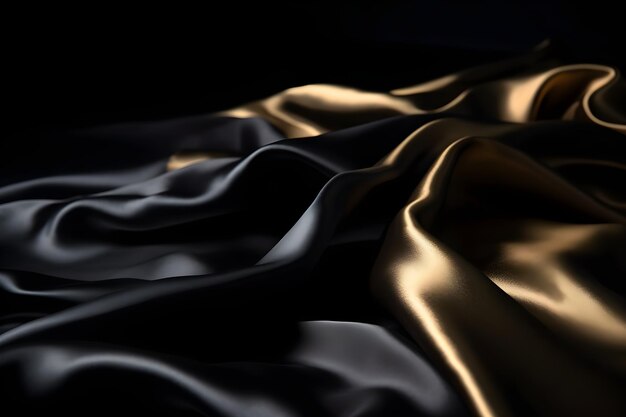
Satin, with its smooth, lustrous surface on one side and a duller back, is another cornerstone of haute couture. Its luxurious sheen and ability to drape beautifully make it a favorite among designers for creating garments that exude elegance and drama.

Unveiling Satin’s Allure: A Symphony of Properties

  • Luminous Sheen: Satin’s defining characteristic is its stunning sheen. This captivating quality arises from the way the fabric is woven. Satin features a higher warp-to-weft ratio, meaning more warp threads are visible on the fabric’s surface. These closely packed threads create a smooth surface that reflects light beautifully, resulting in the fabric’s signature sheen.
  • Fluid Drape: Satin possesses a remarkable ability to drape beautifully. This characteristic allows designers to create garments with flowing silhouettes that hug the curves of the body in a flattering manner. The drape also allows for the creation of dramatic folds and gathers, adding visual interest and depth to a garment.
  • Versatility in Weight and Texture: Satin comes in a variety of weights and textures. Lighter weight satins, like charmeuse, offer a more delicate drape and are ideal for lingerie and flowing dresses. Heavier weight satins, like duchesse satin, provide more structure and are often used for formal gowns and tailored jackets.

model-woman_1160677-1856

Satin’s Stage in Haute Couture: A Spotlight on Drama and Elegance

Satin’s luxurious qualities make it a perfect choice for creating show-stopping garments in the world of haute couture:

*Evening Gowns and Cocktail Dresses: Satin is a popular choice for evening gowns and cocktail dresses, where its sheen adds a touch of glamour and sophistication. Designers often use satin to create structured bodices, flowing skirts, or dramatic drapes, creating garments that command attention.

*Lingerie and Undergarments: The smooth, luxurious feel of satin makes it a popular choice for lingerie and undergarments. Satin nightgowns and chemises exude a sense of opulence and sensuality.

*Shoes and Accessories: Satin’s luxurious sheen and smooth texture make it a popular choice for shoes and accessories like evening bags and clutches. These satin elements add a touch of elegance and sophistication to any outfit.

Velvet
  1. VELVET: The Fabric of Royalty and Luxury

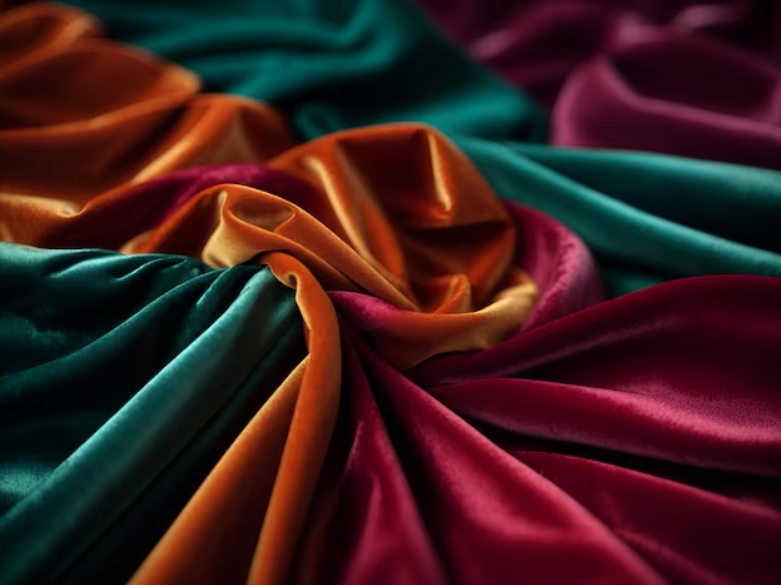
Velvet, a luxurious fabric with a soft, short pile that reflects light, has been associated with royalty and luxury for centuries. Its rich history and opulent feel make it a coveted material in the world of haute couture.

Unveiling Velvet’s Regal Charm: A Tapestry of Properties

  • Soft Pile and Luxurious Feel: Velvet’s defining characteristic is its soft, short pile that creates a luxurious feel against the skin. This pile is created by weaving extra weft threads that are later cut, creating the distinctive velvety texture.
  • Rich Depth of Color: Velvet has a unique ability to absorb light, resulting in a rich depth of color. This characteristic makes it perfect for creating garments that are both luxurious and visually striking.
  • Structured Drape: While not as fluid as silk or chiffon, velvet possesses a structured drape that allows designers to create garments with clean lines and defined silhouettes.

Velvet 2


Velvet’s Reign in Haute Couture: A Touch of Opulence

Velvet’s luxurious qualities and rich history make it a perfect choice for adding a touch of opulence to haute couture garments:

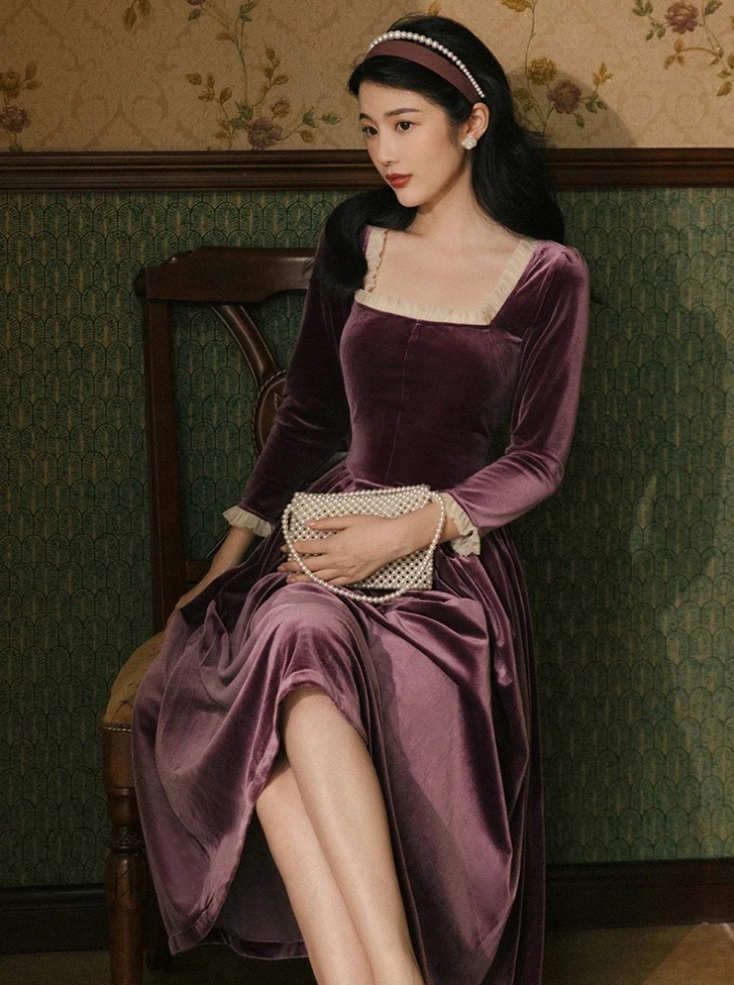
*Evening Gowns and Cocktail Dresses:  Velvet is a popular choice for evening gowns and cocktail dresses, where its rich color and luxurious feel create a sense of drama and sophistication. Designers often use velvet to create structured bodices, flowing skirts, or dramatic capes, adding a touch of regal elegance.

*Suits and Jackets: Velvet can also be used to create luxurious suits and jackets. These garments exude a sense of power and sophistication, making them a popular choice for red carpet appearances or special occasions.

*Accessories: Velvet’s rich texture and depth of color make it a popular choice for accessories like hats, gloves, and shoes. These elements add a touch of luxury and sophistication to any outfit.

ornate-tapestry-pillow-with-vibrant-wool-embroidery-and-smooth-texture-generated-by-ai-free-photo
  1. BROCADE: A Fabric Woven with History and Opulence

Brocade, a luxurious fabric featuring raised patterns woven directly into the fabric, boasts a rich history dating back centuries. Its intricate designs and opulent feel make it a coveted material in haute couture.

Unveiling Brocade’s Enchanting Properties:

  • Intricate Woven Designs: The defining characteristic of brocade is its intricate woven designs. These designs, ranging from floral motifs to geometric shapes and even figurative elements, are created by using extra weft threads that are woven to form raised patterns on the fabric’s surface.
  • The Allure of Metallic Threads: Brocade often incorporates metallic threads like gold or silver, adding a touch of shimmer and grandeur to the fabric. This use of metallic threads further elevates the sense of opulence and luxury associated with brocade.
  • Structured Drape: Similar to velvet, brocade possesses a structured drape due to the raised woven patterns. This characteristic allows designers to create garments with clean lines and defined silhouettes that hold their shape beautifully.

Maghan Brocade dress


Meghan Markle wore a silver brocade dress with gold floral embroidery and a cream coat by Amanda Wakeley in 2019. (Dominic Lipinski/ WPA Pool/ Getty Images)


Brocade’s Stage in Haute Couture: A Celebration of Opulence and Heritage

Brocade’s rich history, intricate designs, and luxurious feel make it a perfect choice for creating garments steeped in tradition and grandeur:

*Formal Gowns and Evening Wear:  Brocade is a popular choice for formal gowns and evening wear, where its intricate designs and opulent feel create a sense of awe and sophistication. Designers often use brocade to create structured bodices, full skirts, or dramatic capes, evoking a sense of historical grandeur.

*Jackets and Waistcoats:  Brocade can also be used to create luxurious jackets and waistcoats. These garments exude a sense of power and sophistication, making them a perfect choice for special occasions or a bold statement piece.

*Accessories:  Brocade’s rich texture, intricate designs, and metallic accents make it a popular choice for accessories like handbags and shoes. These elements elevate any outfit to a new level of sophistication and historical intrigue.

depositphotos_445191442-stock-photo-beige-soft-cashmere-fabric-background
  1. CASHMERE: The Embrace of Warmth and Unmatched Softness

Cashmere, a fabric synonymous with unparalleled softness and luxurious warmth, graces the bodies of celebrities and fashion icons alike. Derived from the undercoat of cashmere goats, this coveted material adds a touch of elegance and comfort to any garment.

Unveiling Cashmere’s Allure: A Symphony of Properties

  • Unmatched Softness: Cashmere’s defining characteristic is its legendary softness. The fibers are incredibly fine and delicate, creating a feeling of pure luxury against the skin. This unmatched softness makes cashmere garments ideal for those seeking warmth without sacrificing comfort.

Cashmere Kendall Jenner


  • Exceptional Warmth: Despite its fine fibers, cashmere boasts exceptional insulating properties. This quality arises from the hollow core of the cashmere fiber, which traps air and creates a natural barrier against the cold. Cashmere garments are perfect for adding a touch of warmth and luxury to winter wardrobes.


  • Natural Drape: Cashmere possesses a natural drape that falls beautifully on the body. This characteristic allows designers to create garments with clean lines and soft silhouettes that flatter a variety of figures.
  • Breathability: Despite its warmth, cashmere is a breathable fabric. This allows for better moisture management, keeping the wearer comfortable throughout the day.

Cashmere’s Role in Haute Couture: A Canvas for Comfort and Sophistication

Cashmere’s luxurious qualities and exceptional comfort make it a perfect choice for a variety of garments in haute couture:

*Sweaters and Knitwear:  Cashmere sweaters are a staple in the world of luxury fashion. Their exceptional warmth and softness make them ideal for creating cozy yet stylish pieces. Designers use cashmere to create a variety of styles, from classic crewnecks to intricate cable knits.

*Coats and Jackets: Cashmere coats and jackets offer unparalleled warmth and sophistication. The natural drape of the fabric allows for the creation of elegant silhouettes, while the luxurious feel elevates any outfit.

*Scarves and Accessories: Cashmere scarves and accessories add a touch of warmth and luxury to any ensemble. These pieces come in a variety of colors and styles, allowing for versatile use throughout the colder months

  Beyond the Basics: Exploring Cashmere’s Varied Expressions

The world of cashmere extends beyond a single type. Here’s a closer look at some of the variations encountered in haute couture:

  • Mongolian Cashmere: Considered the pinnacle of cashmere quality, Mongolian cashmere comes from goats raised in the harsh climate of Inner Mongolia. These goats produce exceptionally fine and warm fibers, resulting in a fabric renowned for its unmatched softness and warmth.
  • Cashmere Blends: Cashmere is often blended with other fibers like wool or silk. These blends can offer a more affordable option while still maintaining some of the luxurious qualities of cashmere, such as softness and warmth.

Fabric Harmony

THE CONCLUSION: A Symphony of Luxurious Fabrics

As we conclude this exploration of luxurious fabrics, we are left with an appreciation for the artistry and craftsmanship that go into creating these exquisite materials. From the luminous sheen of silk to the intricate designs of brocade, each fabric possesses unique properties that contribute to the world of haute couture. These coveted textiles are not merely materials; they are the foundation upon which designers build their masterpieces, transforming mere garments into breathtaking works of art that embody elegance, drama, and a touch of historical intrigue.

This is just the beginning of our exploration, fashion enthusiasts! The world of textiles is vast and ever-evolving. Stay tuned for future posts where we delve deeper into specific fabrics, explore the ethical considerations of luxury fashion, and unveil the stories behind the most iconic garments in fashion history.
What are your favorite luxurious fabrics? How do you think they contribute to the world of haute couture? Share your thoughts in the comments below!


+

Ralph & Russo’s Eden Collection: A Revolution

download (5)

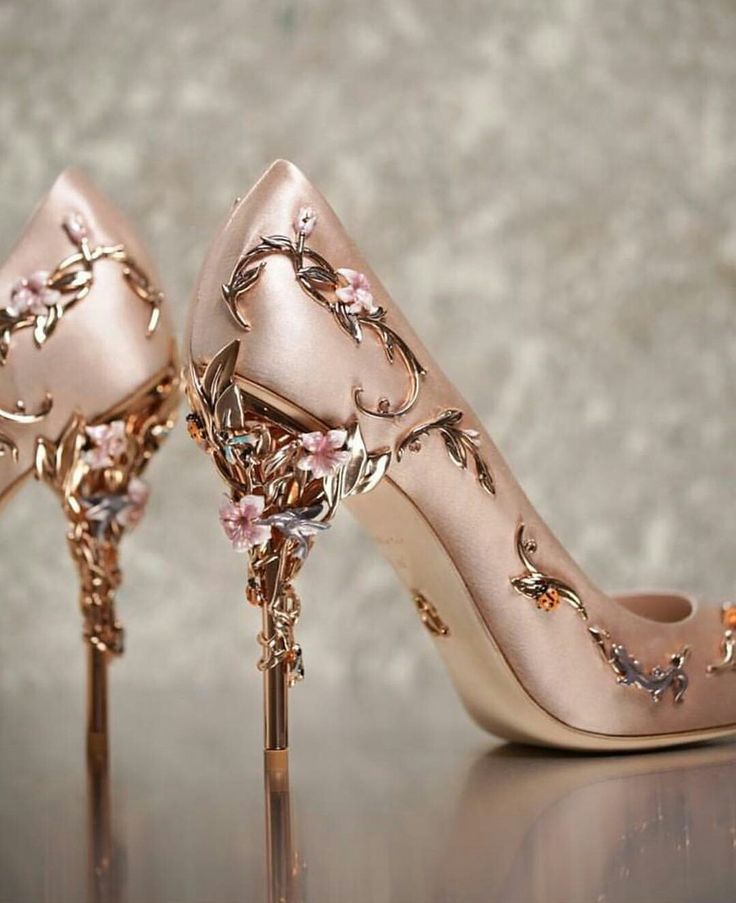
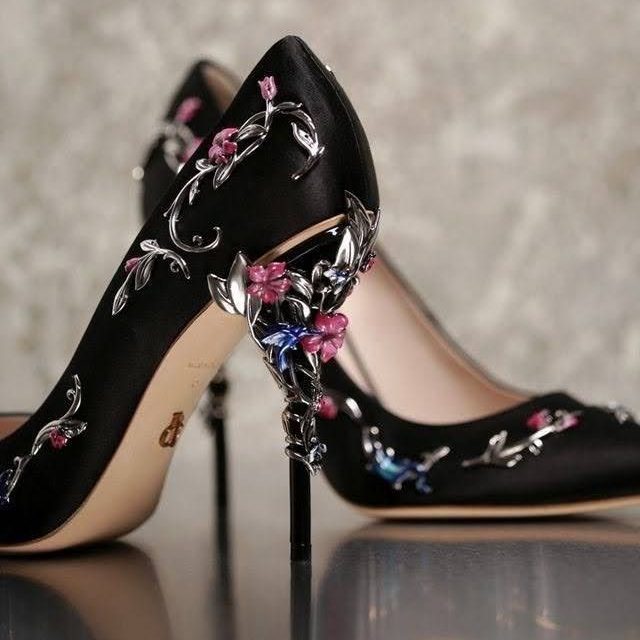
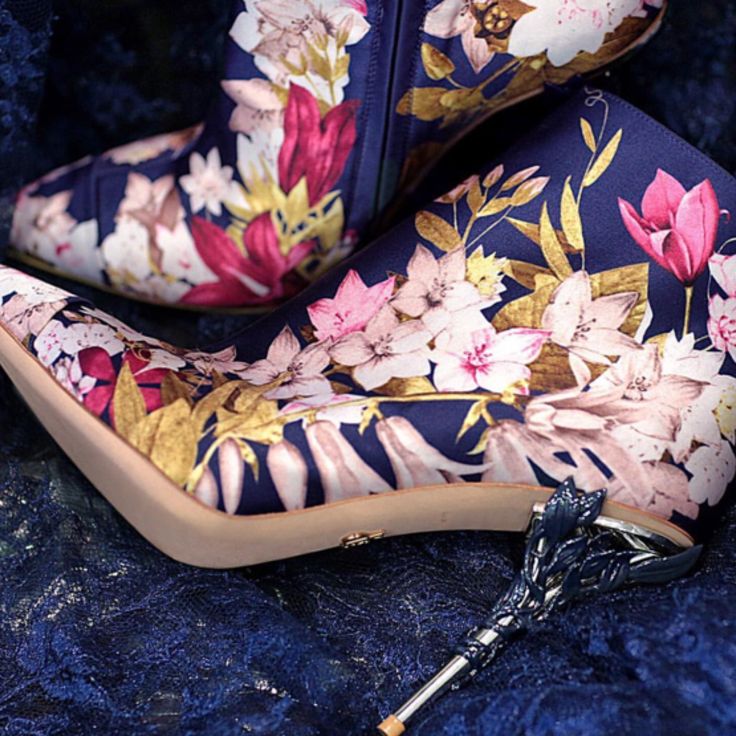
British Luxury House, Ralph and Russo’s shoe collection “Eden” draws its inspiration from “wild, organic gardens,” says co-founder and Creative Director, Tamara Ralph, who was born into four generations of fashion, style, and cordwainer savoir-faire.

Ralphandrussoshoeandbag

Rich in colour and opulent in design, the collection feels like a work of art and is certain to become a cherished piece in any shoe collection.

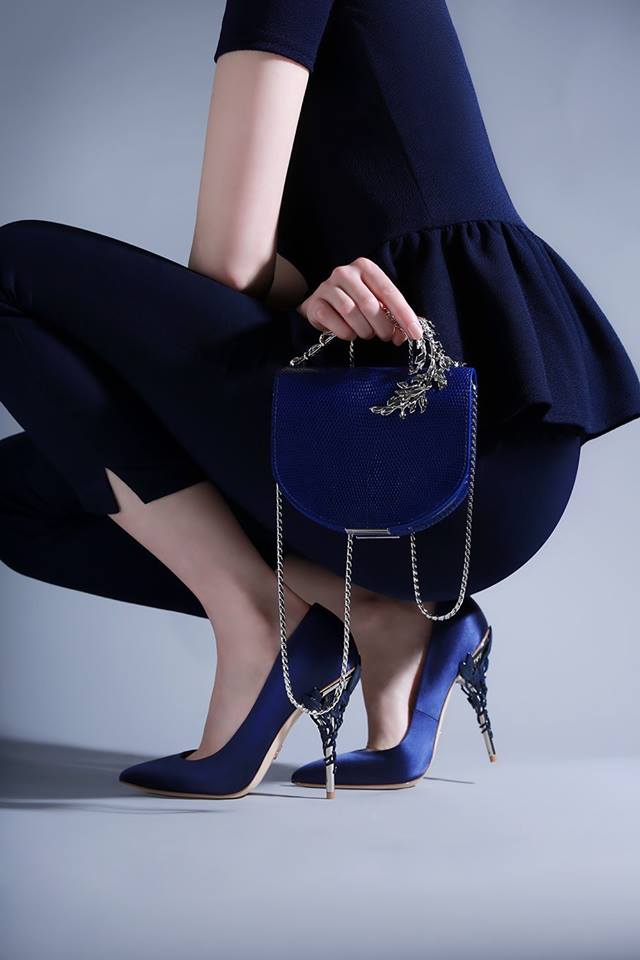
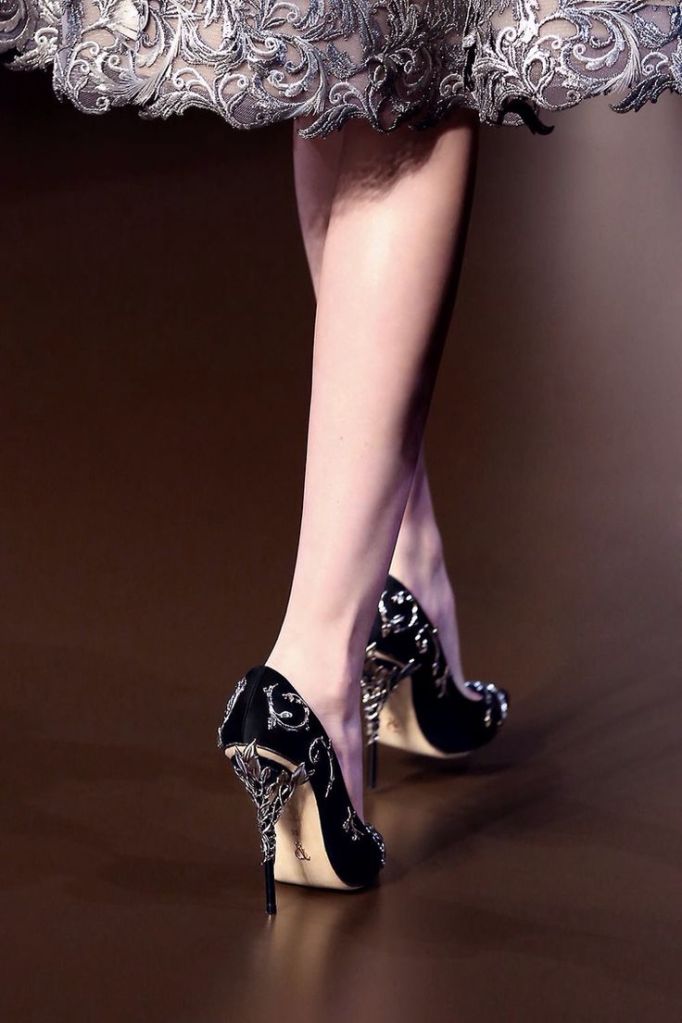
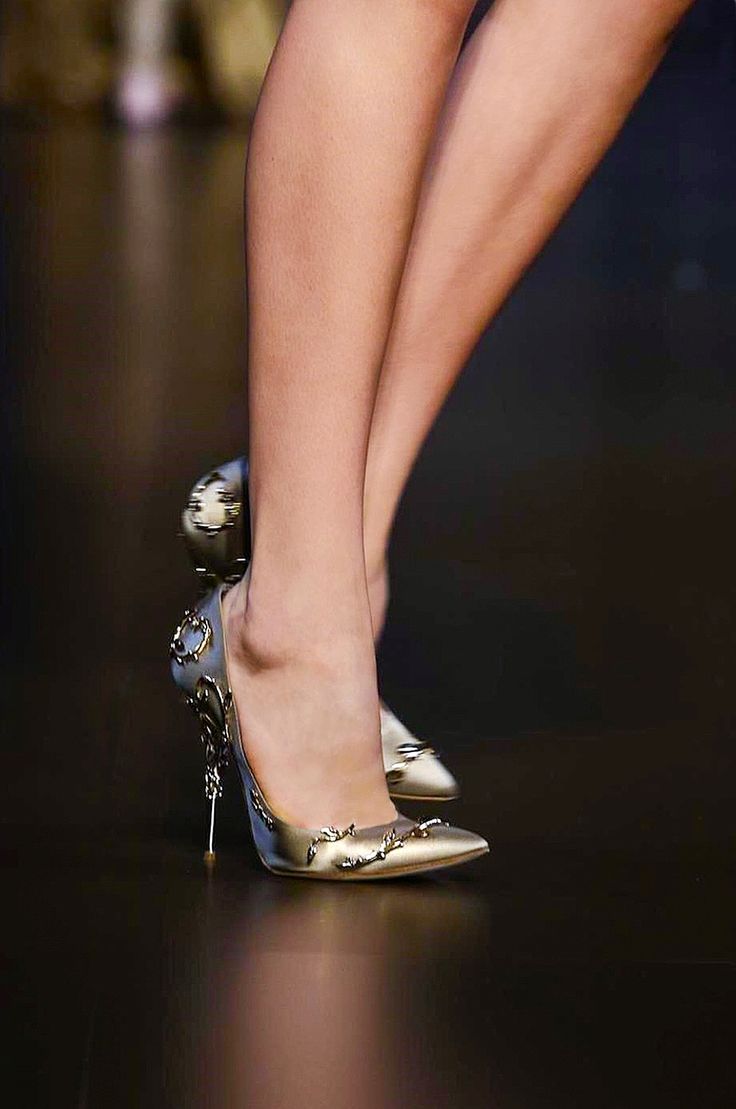
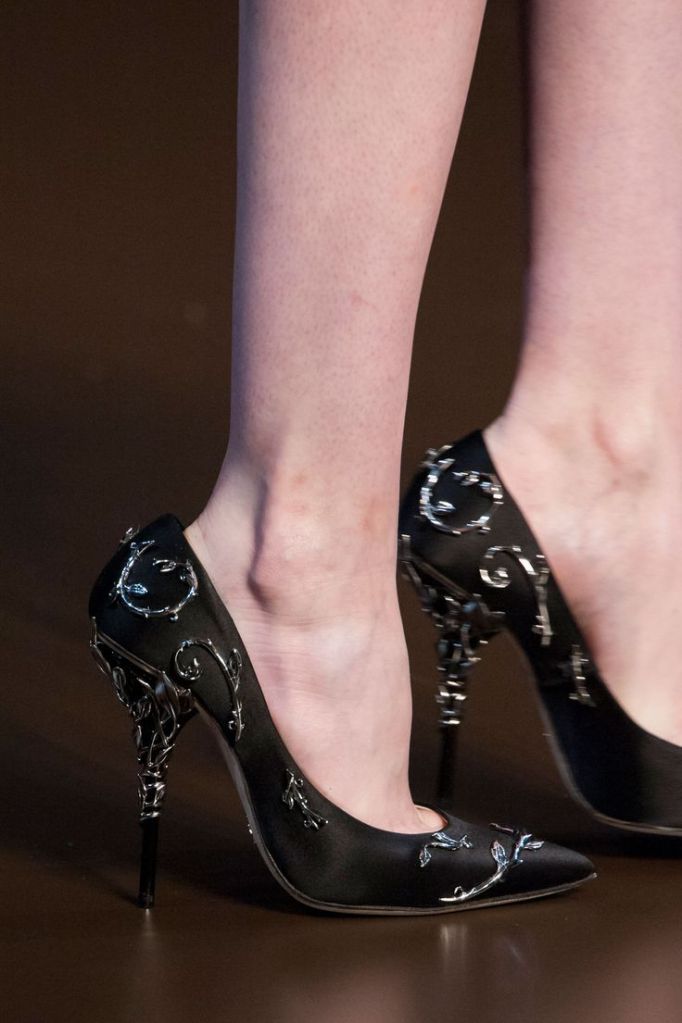
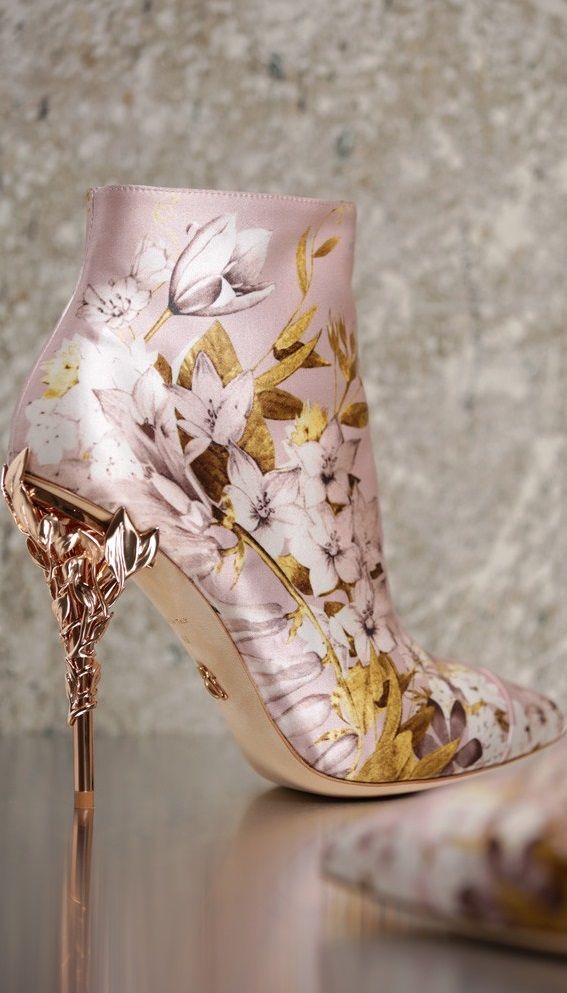
Refined and romantic, the Eden Shoes are handcrafted in Italy with ornamental filigree leaves spiralling up the heel.

Moulded first in wax, the hardware is created using a traditional jewelry-making process in which the vine leaves are expertly laid out and resized accordingly so that every pair is utterly unique.

Now, scroll down and enjoy this unique and fabulous collection:

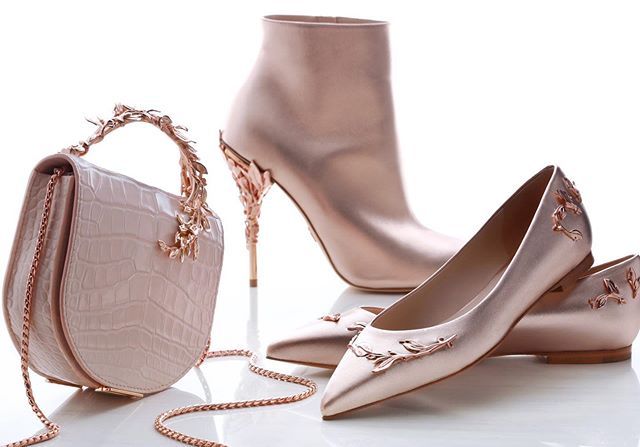
Statement flats with wear-anywhere appeal; the Eden ballerina is a masterclass in modern romance.

Slender and statuesque, the Eden Heel ankle boot is the perfect foil for midi hemlines and cropped tailoring.

To be honest, this collection is really something you should not miss.

Finally, always choose to wear what makes you feel Beautiful and Confident !
Stay Tuned!
With Love…
YourBAGandSHOES

+

The History of Fashion

A hard fate has condemned human beings to enter this mortal sphere without any natural covering, like that possessed by the lower animals to protect them from the extremes of heat and cold. Had this been otherwise, countless myriads, for untold ages, would have escaped the tyrannical sway of the goddess Fashion, and the French proverb, il faut souffrir pour être belle, need never have been written.

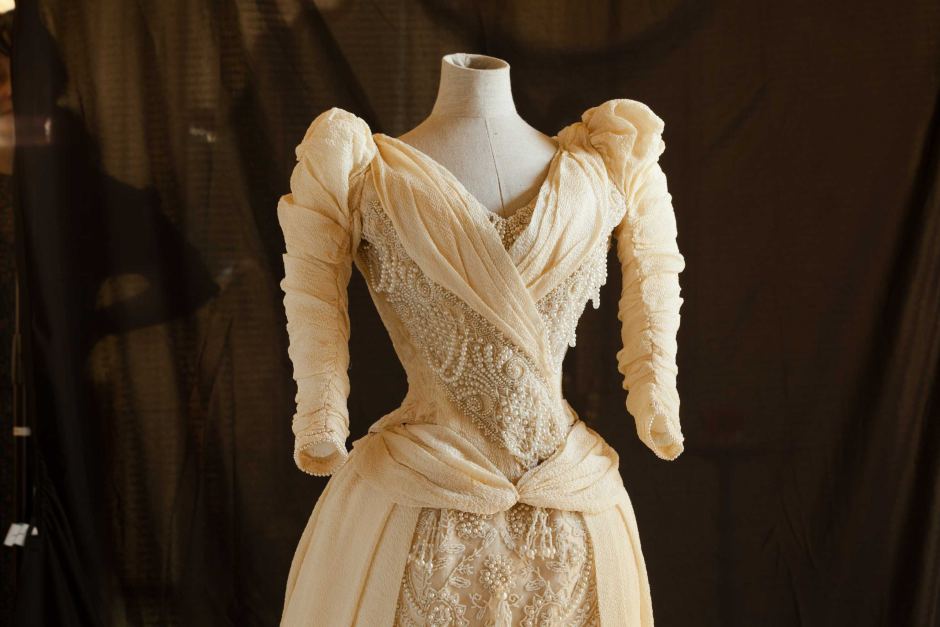
madame grès-640wiThe costume of our progenitors was chiefly remarkable for its extreme simplicity; and, as far as we can gather, no difference in design was made between the sexes. A few leaves entwined by the stalks, the feathers of birds, the bark of trees, or roughly-dressed skins of animals were probably regarded by beaux and belles of the Adamite period as beautiful and appropriate adornments for the body, and were followed by garments made from plaited grass, which was doubtless the origin of weaving, a process which is nothing more than the mechanical plaiting of hair, wool, flax, &c. In many remote districts these primitive fashions still prevail, as, for example, in Madras, where, at an annual religious ceremony, it is customary for the low caste natives to exchange for a short period their usual attire for an apron of leaves. In the Brazilian forests the lecythis, or “shirt tree,” is to be found, from which the people roll off the bark in short lengths, and, after making it pliable in water, cut two slits for the arm-holes and one for the neck, when their dress is complete and ready for use. The North American Indian employs feathers for purposes of the toilet, and many African tribes are noted for their deftly-woven fabrics composed of grass and other vegetable fibres, while furs and skins are essential articles of dress in Northern latitudes. Perhaps the earliest specimen of a modiste’s bill in existence has recently been found on a chalk tablet at Nippur, in Chaldea. The hieroglyphics record ninety-two robes and tunics: fourteen of these were perfumed with myrrh, aloes and cassia. The date of this curious antique cannot be less than two thousand eight hundred years before the Christian era. In ancient times it must be remembered that the principal seats of civilisation were Assyria and Egypt, and upon these countries Western nations depended for many of the luxuries of life. The Jews derived their fine fabrics from the latter place, which was particularly noted for its linen manufactures and for magnificent embroideries, of which the accompanying illustration will give some idea. Medes and Babylonians, of the highest class, partially arrayed themselves in silk, which cost its weight in gold, and about the time of Ezekiel (B.C. 594) it is known to have been used in the dress of the Persians. It is a remarkable circumstance that this animal product was brought to the West manufactured in cloth, which was only half silk; and it is said the plan was devised of unravelling the stuff, which was rewoven into cloth of entire silk. Owing to its high price, the Romans forbade its being used for the entire dress by men, complete robes of silk being reserved for women. It is numbered among the extravagant luxuries of Heliogabalus that he was the first man who wore a silken garment, and the anecdote is well known of the Emperor Aurelian, who refused, on the ground of its extravagant cost, a silk dress which his consort earnestly desired to possess. Continue reading “The History of Fashion”
+

10 Destinations Sure To Inspire Awe

In the time of Spanish rule, and for many years afterwards, the town of Sulaco—the luxuriant beauty of the orange gardens bears witness to its antiquity—had never been commercially anything more important than a coasting port with a fairly large local trade in ox-hides and indigo.

stil-243541

When planning a Carribean vacation, don’t forget to pack the essentials!

The clumsy deep-sea galleons of the conquerors that, needing a brisk gale to move at all, would lie becalmed, where your modern ship built on clipper lines forges ahead by the mere flapping of her sails, had been barred out of Sulaco by the prevailing calms of its vast gulf. Some harbours of the earth are made difficult of access by the treachery of sunken rocks and the tempests of their shores. Sulaco had found an inviolable sanctuary from the temptations of a trading world in the solemn hush of the deep Golfo Placido as if within an enormous semi-circular and unroofed temple open to the ocean, with its walls of lofty mountains hung with the mourning draperies of cloud.

On one side of this broad curve in the straight seaboard of the Republic of Costaguana, the last spur of the coast range forms an insignificant cape whose name is Punta Mala. From the middle of the gulf the point of the land itself is not visible at all; but the shoulder of a steep hill at the back can be made out faintly like a shadow on the sky. Continue reading “10 Destinations Sure To Inspire Awe”

+

The Birth of The Dandelion

Back from his war against the Tahawi comes the Sun, chief of the Lower Saranacs, —back to the Lake of the Clustered Stars, afterward called, by dullards, Tupper’s Lake. Tall and invincible he comes among his people, boasting of his victories, Indian fashion, and stirring the scalps that hang at his breast. “The Eagle screams,” he cries. “He greets the chief, the Blazing Sun. Wayotah has made the Tahawi tremble. They fly from him. Hooh, hooh! He is the chief.” Standing apart with wistful glance stands Oseetah, the Bird. She loves the strong young chief, but she knows that another has his promise, and she dares not hope; yet the chief loves her, and when the feasting is over he follows her footprints to the shore, where he sees her canoe turning the point of an island. He silently pursues and comes upon her as she sits waving and moaning. He tries to embrace her, but she draws apart. He asks her to sing to him; she bids him begone. Continue reading “The Birth of The Dandelion”

+

A Trapper’s Ghastly Vengeance

About a mile back from the Hudson, at Coxsackie, stood the cabin of Nick Wolsey, who, in the last century, was known to the river settlements as a hunter and trapper of correct aim, shrewdness, endurance, and taciturn habit. For many years he lived in this cabin alone, except for the company of his dog; but while visiting a camp of Indians in the wilderness he was struck with the engaging manner of one of the girls of the tribe; he repeated the visit; he found cause to go to the camp frequently; he made presents to the father of the maid, and at length won her consent to be his wife. The simple marriage ceremony of the tribe was performed, and Wolsey led Minamee to his home; but the wedding was interrupted in an almost tragic manner, for a surly fellow who had loved the girl, yet who never had found courage to declare himself, was wrought to such a jealous fury at the discovery of Wolsey’s good fortune that he sprang at him with a knife, and would have despatched him on the spot had not the white man’s faithful hound leaped at his throat and borne him to the ground.

Wolsey disarmed the fellow and kicked and cuffed him to the edge of the wood, while the whole company shouted with laughter at this ignominious punishment, and approved it. A year or more passed. Wolsey and his Indian wife were happy in their free and simple life; happy, too, in their little babe. Wolsey was seldom absent from his cabin for any considerable length of time, and usually returned to it before the night set in. One evening he noticed that the grass and twigs were bent near his house by some passing foot that, with the keen eye of the woodman, he saw was not his wife’s. Continue reading “A Trapper’s Ghastly Vengeance”